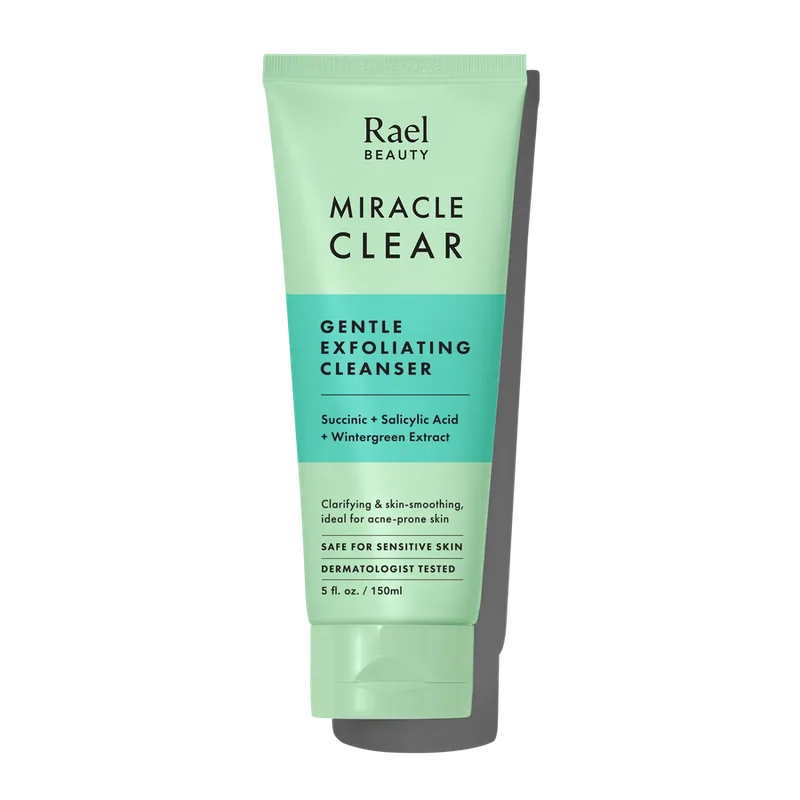
Miracle Clear Gentle Exfoliating Cleanser
Low-pH Salicylic Cleanser
 Verified reviewer
Pros & cons.
- +Salicylic acid in a cleanser format means routine BHA contact without an extra leave-on step that can dry the barrier
- +Amino-acid-derived surfactants (sodium cocoyl glycinate, sodium cocoyl glutamate) are markedly less stripping than sulfate-based cleansers
- +Glycerin and betaine in the formula offset the dehydrating effect that most acne cleansers leave behind
- +Low-pH formulation (acidic to slightly acidic) is the right zone for salicylic acid to actually work and for the skin's acid mantle to stay intact
- +Suitable for daily PM use; gentle enough to use once daily even on combination skin running other actives
- +No fragrance, no essential oils, no SD alcohol — passes the irritation-budget test that most BHA cleansers fail
- −0.5% salicylic acid is on the gentle side — won't do the work of a 2% leave-on serum if you have stubborn comedonal acne
- −Cleanser contact time (typically 30–60 seconds) caps the BHA exposure — much less than a leave-on
- −Tube format means you can't see exactly how much is left, which makes the small 5 oz size feel smaller than it is
- −The pH-acid combo is a known mild irritant on broken skin; skip the day you've patch-removed scabs or actively picked a spot
The full review.
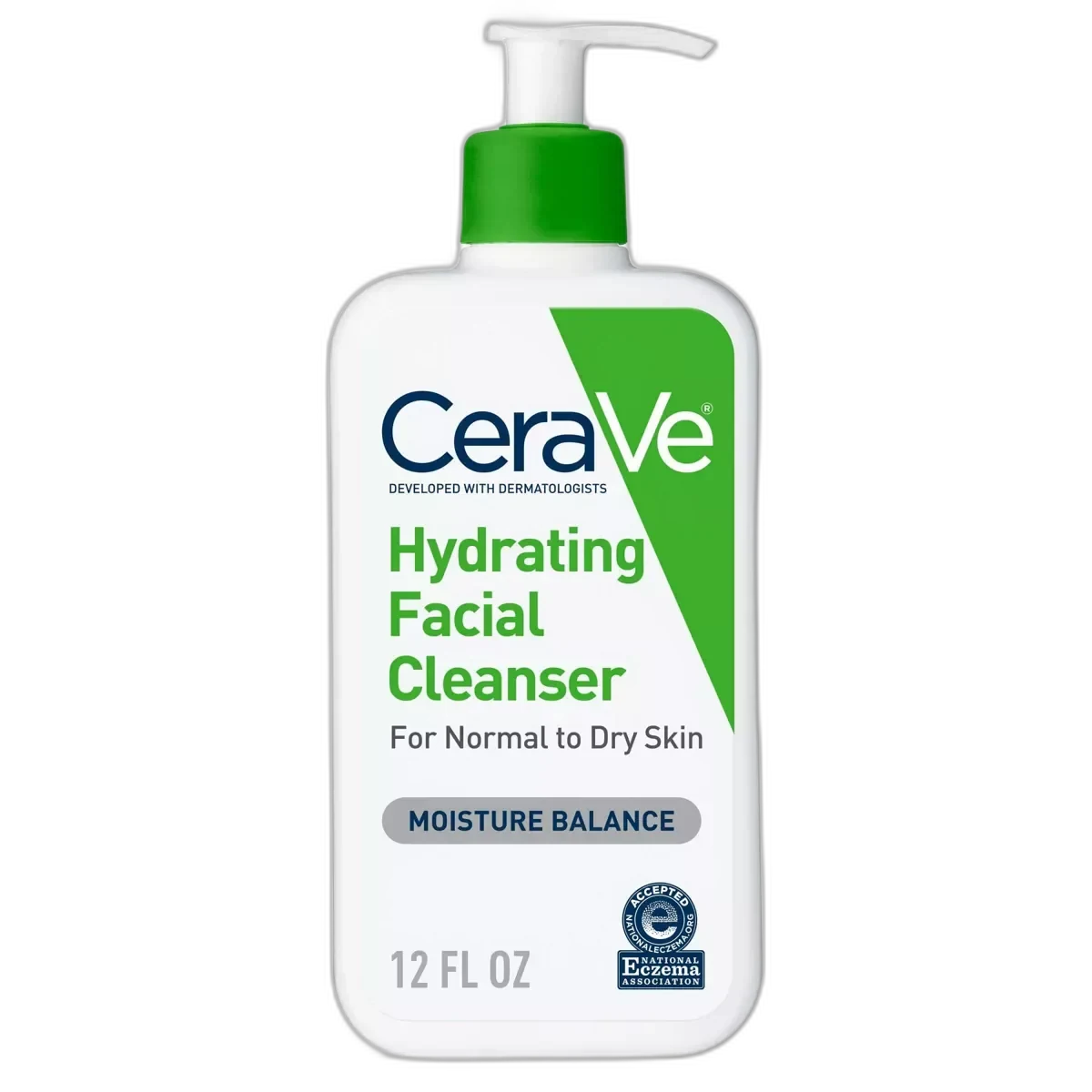
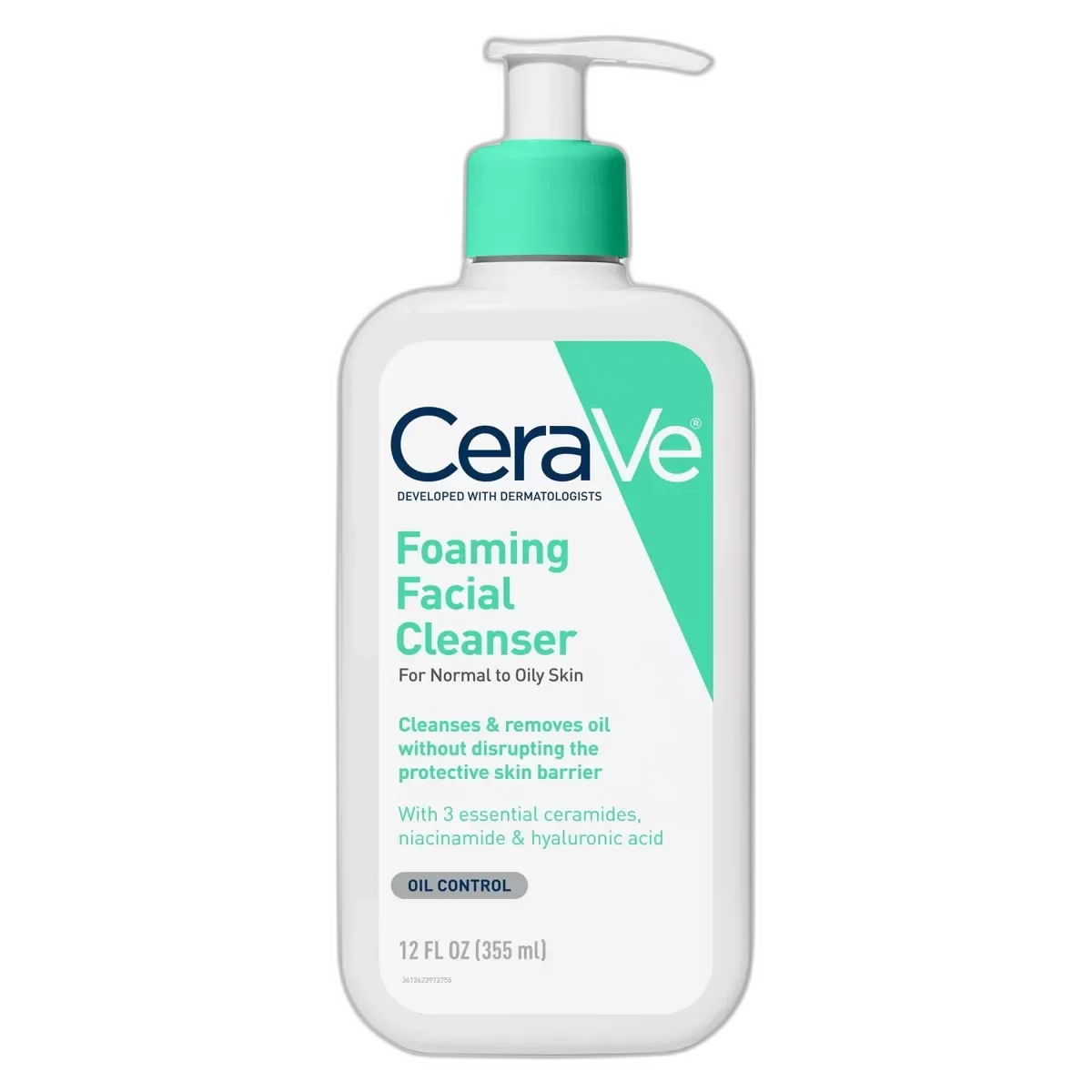
The Rael Miracle Clear Exfoliating Cleanser is the cleanser step of Rael’s Miracle Clear acne regimen — a 0.5% salicylic-acid wash-off product in an amino-acid surfactant base. The simplest way to describe it: this is what CeraVe SA Cleanser would be if you swapped the sulfonate surfactants for amino-acid cleansers, dialled the salicylic from 2% to 0.5%, and added a bit more glycerin.
The result is a daily-driver BHA cleanser that addresses one of acne care’s most common compliance failures. Most users buy a 2% leave-on BHA serum (Paula’s Choice, The Ordinary, COSRX) and quit within a month because the irritation budget exceeds the benefit. A 0.5% cleanser, used once daily, delivers a fraction of the peak concentration but seven times the weekly contact frequency — which for mild-to-moderate comedonal acne the literature suggests is competitive on outcomes with markedly better tolerability.
The surfactant base is the unsexy reason this product works as well as it does. Sodium cocoyl glycinate is an amino-acid-derived cleanser — gentler than sulfates, gentler than the sulfosuccinate-betaine systems CeraVe and Vanicream use, and pH-compatible with the rest of the acidic formulation. Lauryl hydroxysultaine is the secondary, providing foam and additional cleansing. Sodium cocoyl glutamate adds a third surfactant in the same family. The result is a cleanser that produces a light, controllable foam, rinses cleanly, and doesn’t leave skin tight after rinsing — the hallmark of K-beauty low-pH cleansers.
The salicylic acid is listed in the lower half of the INCI, consistent with a 0.5% inclusion. That’s a modest active load, and it’s worth being honest about: this isn’t going to clear stubborn cystic acne. What it does well is reduce comedonal load — the closed bumps and small blackheads in the T-zone — over 4–8 weeks of consistent use, while keeping the skin barrier intact enough that you can layer a retinoid or stronger leave-on BHA on top without your face peeling. As Step 1 of a multi-step acne routine it’s well-engineered; as a standalone for severe acne it’s underpowered.
At $12.99 for 5 fl oz the per-ounce cost ($2.60) is lower than CeraVe SA at most retailers and substantially lower than prestige acne cleansers. The tube format is hygienic but small for daily use — a once-daily user goes through it in roughly 8–10 weeks. For users running a multi-step Miracle Clear routine, repurchase cadence isn’t great; for users running a single-cleanser-plus-moisturizer routine, the value is fine.
Not ideal for
Dry skin types should use a cream cleanser without BHA — the gentlest surfactant base in the world is still a foam cleanser, and foam doesn’t suit genuinely dry skin. Anyone already running 2% leave-on BHA should pick one or the other, not stack them. Active rosacea or seborrheic dermatitis flares are also a hard skip — both react badly to even gentle acid cleansers.
Ingredient analysis.
Full INCI list
Water (Aqua), Glycerin, Sodium Cocoyl Glycinate, Lauryl Hydroxysultaine, Sodium Cocoyl Glutamate, Betaine, Hydroxypropyl Starch Phosphate, Aspartic Acid, Citric Acid, Caprylyl Glycol, Salicylic Acid, Sodium Citrate, 1,2-Hexanediol, Hydrolyzed Hyaluronic Acid, Disodium EDTA, Tocopherol, Niacinamide, Allantoin, Panthenol.
Skin match.
The science.
Salicylic acid in a cleanser vs. leave-on
Salicylic acid is the only beta-hydroxy acid with widespread acne data. As a lipophilic molecule it penetrates the sebum-filled follicle (where alpha-hydroxy acids can't reach) and dissolves the keratin debris causing comedones. The U.S. OTC monograph allows up to 2% salicylic acid for acne treatment. Most leave-on serums hit that ceiling.
Wash-off salicylic-acid formulas like this one operate at 0.5% — a quarter of the monograph max — but trade peak concentration for daily repeatability. The clinical question is which delivers more cumulative BHA exposure to the follicular epithelium: a 2% leave-on used 3x weekly (a common cadence because of irritation), or a 0.5% cleanser used 7x weekly. Recent dermatology literature suggests the wash-off cadence is competitive for mild-to-moderate comedonal acne, with substantially lower irritation rates and better routine compliance.
Where the Rael formulation differs from CeraVe SA Cleanser — the most common direct comparator — is the surfactant base. CeraVe uses a sulfonate-and-betaine system that's effective but slightly more stripping. Rael uses sodium cocoyl glycinate as the primary surfactant — an amino-acid-derived cleanser that produces a softer foam, runs at a closer-to-skin pH, and doesn't disrupt the stratum corneum lipids the way sulfates and sulfonates do. The trade is gentler clean for a slightly less squeaky finish.
References
- Salicylic acid as a peeling agent: A comprehensive review — Clinical, Cosmetic and Investigational Dermatology (2015)
- The effect of skin pH and barrier function — Skin Research and Technology (2007)
Where it fits in your routine.
Wet face. Dispense a quarter-sized amount and work into a light foam between damp palms. Massage onto skin for 30–60 seconds, focusing on the T-zone and any comedonal areas. Rinse thoroughly with lukewarm water — hot water will worsen the irritation budget. Pat dry and follow with the rest of your routine. PM only for daily use; once every other day for sensitive or rosacea-prone skin.
$12.99 for 5 fl oz is about $2.60/oz — below CeraVe SA Cleanser ($3/oz at most retailers) and well below prestige (Murad Clarifying Cleanser is $9/oz). For an amino-acid surfactant + BHA combination it's good value. The 5 oz tube lasts about 8–10 weeks at once-daily PM use.
Combination and oily skin with frequent closed comedones, blackheads, or T-zone breakouts. People who want BHA exposure without the dryness of a leave-on. Sensitive skin that reacts to sulfate cleansers.
Genuinely dry skin (use a cream cleanser instead). Anyone already running 2% leave-on BHA. Active rosacea or eczema flares — the acid + foam combination will worsen both.
Product details.
Clear gel that foams lightly with water
Fragrance free
5 fl oz tube with flip cap
12 months
All Year
The backstory.
Step 1 of Rael's Miracle Clear acne regimen — a six-product line launched in 2023 that took the brand from "the patches brand" to a full acne routine. The cleanser is the lowest-irritation entry point: 0.5% salicylic acid in an amino-acid surfactant base, formulated to be the daily anchor of a sensitive-skin acne routine.
About Rael
K-beauty / acne-careRael was founded in 2017 by three Korean-American women — Yanghee Paik, Aness An, Binna Won — initially around organic-cotton period care, expanding into skincare with the Miracle Patch in 2019 and the Miracle Clear regimen in 2023. Skincare is manufactured in South Korea; the brand is cruelty-free, most SKUs vegan.
Common myths.
Cleansers don't exfoliate because the contact time is too short.
Low-percentage acid cleansers do exfoliate — the effect is cumulative across many short contacts rather than one long one. Studies on 0.5% salicylic acid wash-off formulas show reductions in comedonal counts after 4–8 weeks of consistent use. The advantage is the reduced irritation budget vs. leave-on actives.
A "gentle" cleanser can't actually treat acne.
Gentleness and efficacy aren't opposites. Stripping cleansers cause rebound oil production and barrier damage that worsens acne in many users. A non-stripping cleanser with a low-percentage active often outperforms a high-surfactant cleanser with no active, especially over months of use.
FAQ.
Should I use this AM, PM, or both?
Once daily PM is the default recommendation. For oily skin you can do twice daily, but most users find that's where the BHA starts dehydrating. If you do once daily, do it at night so the salicylic acid has the longest gap before UV exposure — BHA increases photosensitivity for ~24 hours.
Can I use this if I'm already on a leave-on salicylic acid serum?
Probably not both daily. If you have a leave-on 2% BHA (like Paula's Choice 2% BHA Liquid), this cleanser stacked on top is over-exfoliating for most skin. Pick one — leave-ons deliver more cumulative exposure; this cleanser is the better starting point for someone new to BHA.
How is it different from CeraVe SA Cleanser?
CeraVe SA uses a sulfate-free but more sulfonate-heavy surfactant base, includes hyaluronic acid and ceramides, and runs 2% salicylic acid. It's more clinical, slightly more drying, and very widely available. Rael is gentler on the surfactant side, uses amino-acid cleansers, runs 0.5% salicylic acid, and adds betaine and panthenol-adjacent soothing. Rael is the more comfortable cleanser; CeraVe is the more efficacious one.
Is it pregnancy safe?
Salicylic acid in topical OTC concentrations (under 2%) is considered safe in pregnancy by ACOG; this product is 0.5%. But many obstetricians still flag salicylic acid generally — if your OB has said to avoid BHA, this is one to skip. Otherwise the rest of the formulation is unproblematic.
Does it actually exfoliate or just claim to?
At 0.5% in a 30–60 second contact, the exfoliation is mild and cumulative — you won't see overnight smoothing the way you would from a leave-on. Over 2–4 weeks of daily use you'll see fewer closed comedones and reduced T-zone oiliness. It's a maintenance-level exfoliation, not a transformational one.
What the community says.
"My T-zone is markedly less oily after 3 weeks"
"Doesn't leave my skin feeling tight like other acne cleansers"
"The foam is light and rinses off completely"
"Works well as the cleanser step in a tretinoin routine"
"Tube packaging is hygienic"
"Wish it came in a larger size"
"The salicylic acid percentage is lower than I expected"
"Pricey vs CeraVe SA on a per-ounce basis"
Featured in.
People also looked at.