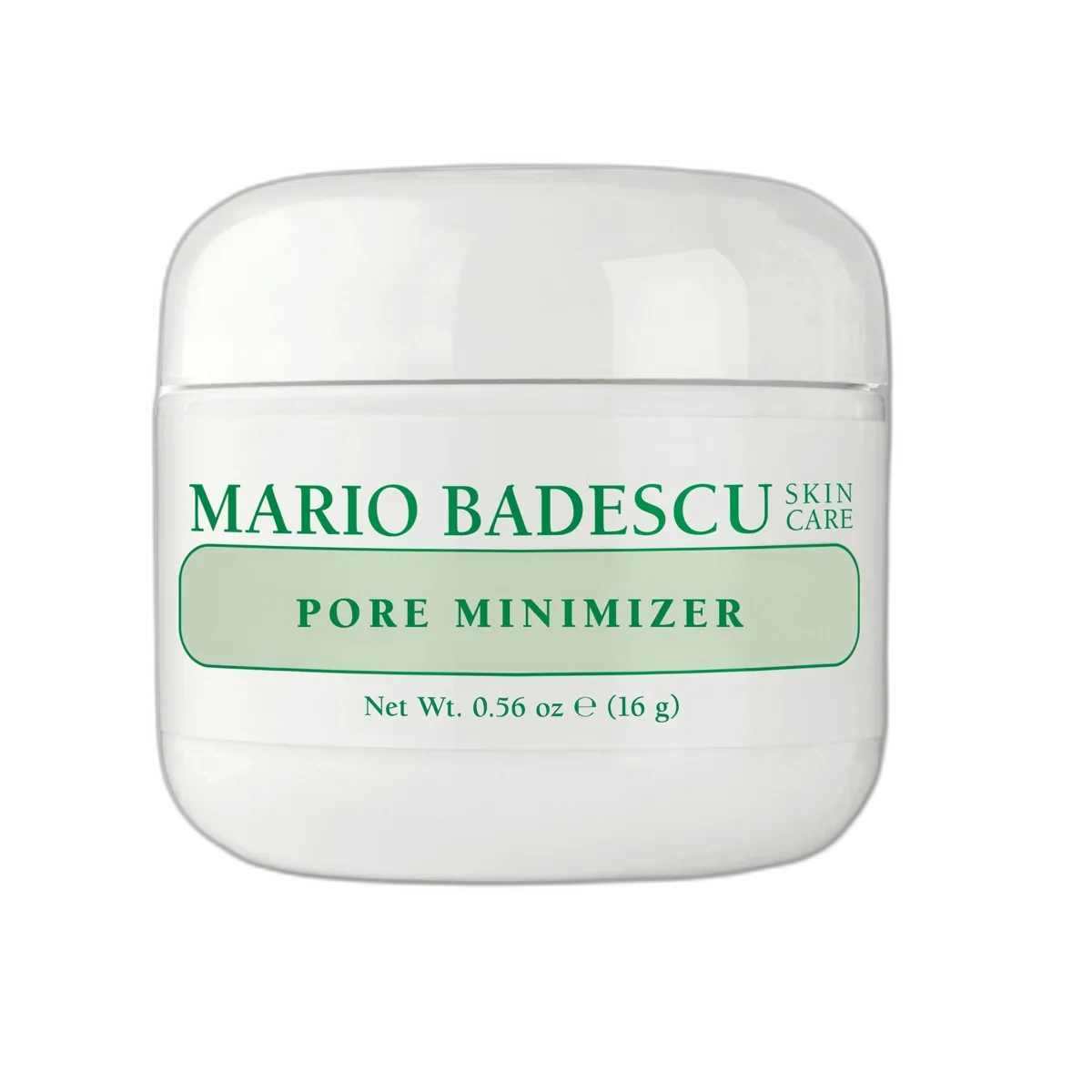
Silver Powder
Three-Ingredient Minimalist Marvel
 Verified reviewer
Pros & cons.
- +Purest formula in the mask category — three mineral ingredients with zero preservatives, fragrance, or additives
- +Effectively absorbs surface oil and temporarily tightens pore appearance after each use
- +Zinc oxide provides anti-inflammatory and antibacterial benefits beyond what clay alone delivers
- +Exceptional value — one jar lasts three to six months at roughly fifty cents per treatment
- +Perfect safety profile — EWG score of 1/10, SkinSAFE 100, pregnancy-safe, fungal-acne-safe
- +Waterless powder format eliminates the need for any preservatives and extends shelf life
- +Vegan, fragrance-free, and suitable for the most ingredient-sensitive consumers
- −Application is messy and technique-dependent — finding the right consistency takes practice
- −Dried paste can flake and crack during the ten-minute wear time
- −Results are temporary — oil production resumes within hours of treatment
- −Cannot address deep comedones or permanently reduce pore size
- −Too drying for dry or eczema-prone skin types even with targeted application
- −No humectants or soothing agents in the formula to counterbalance the drying effect
The full review.
Calcium carbonate. Kaolin. Zinc oxide. That is the entire ingredient list of the Mario Badescu Silver Powder. There is no water. No preservatives. No fragrance. No emollients, no thickeners, no colorants, no humectants. Just three mineral powders in a green glass jar, waiting to be activated.
The product — recently rebranded as the Pore Minimizer Kaolin Clay Powder Mask, though devotees still call it by its original name — is an artifact of a different era in skincare. It belongs to the same philosophical tradition as Grandma’s baking soda paste and the zinc oxide creams in your pediatrician’s office. Simple ingredients, singular purpose, no pretense.
Using it requires a small ritual and a bit of technique. The brand recommends dampening a cotton pad with water and dipping it into the powder. A paste forms on the surface of the pad, which you then press onto your nose, chin, or wherever blackheads and oiliness congregate. You leave it for ten minutes, let it dry, and then remove it — ideally with a toner on a cotton pad rather than water alone, which lifts the residue more cleanly.
The technique matters more than you might expect. The water-to-powder ratio determines whether you get a workable paste or a crumbly mess that flakes off your face onto your bathroom counter. Too much water makes it runny and impossible to keep in place. Too little makes it dry, chalky, and prone to cracking. There is a sweet spot, and finding it takes a use or two. The messiness is the product’s most consistent complaint across over three thousand reviews, and it is a fair criticism.
But when the application works — when you get that thin, even layer settled onto your T-zone and let it do its job for ten minutes — the results are genuinely satisfying. The kaolin clay adsorbs sebum from the pores and skin surface. The calcium carbonate adds a second layer of oil absorption and mild astringent tightening. The zinc oxide delivers anti-inflammatory and antibacterial benefits that kaolin alone cannot provide — zinc is a documented inhibitor of 5-alpha-reductase, the enzyme that drives sebum production, and modulates inflammatory cytokines TNF-alpha and IL-6.
After removal, the skin looks visibly less oily. Pores appear tighter. Blackheads on the nose and chin look slightly reduced. The effect is real, and it is immediate. It is also temporary. Within hours, oil production resumes and pores return to their genetic baseline. This is not a product that changes your skin — it is a product that manages your skin for a window of time. Used consistently once or twice a week, it helps maintain a less congested T-zone, but it will never permanently alter pore size or eliminate blackheads at their root.
A 2023 clinical study published in Skin Research and Technology found that twice-weekly clay mask use over four weeks produced a sixty-nine percent reduction in sebum immediately post-treatment, a forty-six percent reduction in open comedones, and a thirty percent increase in skin hydration by week four. That study used a different clay mask, but the directional findings apply to kaolin-class formulations like this one.
What earns the Silver Powder its following is not its efficacy alone — it is the purity of the formula. In an industry where even products marketed as clean contain ten to twenty ingredients, this product contains three. There are no preservatives because there is no water for bacteria to grow in. There is no fragrance because there is nothing to smell. There are no allergens because there is nothing to be allergic to. The EWG rates it a one out of ten on the hazard scale. SkinSAFE gives it a perfect one hundred — free from every common allergen they test for. It is, in the most literal sense, one of the safest face masks you can buy.
It is also one of the most affordable. At eighteen dollars for an ounce of powder — of which you use a small amount per session — a single jar lasts three to six months with weekly use. The per-treatment cost works out to roughly fifty cents to a dollar. For a product from a brand with nearly sixty years of New York City heritage, manufactured domestically, that is exceptional value.
The limitations are the flip side of the simplicity. There are no humectants to prevent post-treatment dryness. There are no soothing agents beyond zinc oxide’s mild anti-inflammatory action. There is no sophisticated delivery system. The product does exactly one thing — absorb oil and temporarily tighten pores — and expects you to handle the rest of your skincare needs with other products. For dry skin, this is a non-starter. For oily and combination skin that just wants its T-zone managed, it is a quiet, unglamorous, remarkably effective little jar of minerals.
Formula
Ingredient analysis.
Full INCI list
Calcium Carbonate, Kaolin, Zinc Oxide
Skin match.
The science.
The Science
The Silver Powder works through the proven properties of its three mineral components. Kaolin clay adsorbs oil using its layered aluminosilicate crystal structure, which offers a large surface area to bind sebum. A 2023 clinical study in Skin Research and Technology tested twice-weekly clay mask use on seventy-five participants with oily and acne-prone skin. Results showed a sixty-nine percent immediate reduction in sebum post-treatment, a forty-six percent reduction in open comedones, and a thirty percent increase in stratum corneum hydration over four weeks.
Zinc oxide does more than absorb physical oil. A 1988 Stamatiadis et al. study in the British Journal of Dermatology shows zinc inhibits 5-alpha-reductase at three-to-nine millimole-per-liter concentrations; zinc-plus-vitamin-B6 combinations reach ninety percent inhibition. This enzyme drives sebum production, explaining how zinc regulates sebum. A 2014 review in Dermatology Research and Practice confirmed zinc modulates TNF-alpha, IL-6, and nitric oxide, proving its anti-inflammatory effects.
A 2018 Cervantes et al. review in Dermatology and Therapeutics evaluated zinc for acne treatment. It concluded zinc has antibacterial and anti-inflammatory effects with a favorable safety profile, making it a useful low-cost therapeutic option.
Calcium carbonate acts physically to provide oil absorption, bulk, and mild pH buffering. The CIR Expert Panel reviewed carbonate salts and found them safe at current cosmetic use concentrations when formulated to be non-irritating.
References
- Comprehensive assessment of the efficacy and safety of a clay mask in oily and acne skin — Skin Research and Technology (2023)
- Inhibition of 5 alpha-reductase activity in human skin by zinc and azelaic acid — British Journal of Dermatology (1988)
- The role of zinc in the treatment of acne: A review of the literature — Dermatology and Therapeutics (2018)
- Zinc Therapy in Dermatology: A Review — Dermatology Research and Practice (2014)
Dermatologist Perspective
Dermatologists use kaolin and zinc oxide as established topical agents for oil control and mild anti-inflammatory action. Board-certified dermatologists note the Silver Powder's three-ingredient purity makes it one of the safest mask options available — it lacks common allergens and irritants. The zinc oxide component provides anti-inflammatory and sebum-regulating benefits alongside oil absorption. However, dermatologists note this product manages surface congestion rather than treating the underlying causes of blackheads and enlarged pores, which may require retinoids, BHA exfoliants, or professional extractions for lasting improvement.
Where it fits in your routine.
Dampen a cotton pad with water after cleansing, then dip it into the powder to form a paste. Press the paste-coated pad onto congested areas like the nose, chin, or forehead where blackheads and oiliness concentrate. Leave it on for ten minutes until the paste dries. Wipe it off with a toner-soaked cotton pad; this lifts residue cleaner than water alone. Apply your regular serum and moisturizer next. Use one to two times per week on targeted areas only. Do not use as a full-face mask unless you have very oily skin.
At $18 for one ounce of powder that lasts three to six months with weekly use, the Silver Powder costs roughly fifty cents to one dollar per application. A 0.56-ounce size costs approximately twelve dollars. The price is lower than comparable specialty pore treatments for a three-ingredient formula with a perfect safety profile and effective oil-absorbing results. The waterless powder format also prevents waste from product degradation over time.
This works for oily or combination skin with blackheads and T-zone congestion, especially if you value simple ingredients. If complex formulas irritate your skin, if you are pregnant and want a safe mask, or if you want an effective pore treatment for under a dollar per use, the Silver Powder meets its narrow promise.
Skip this if you have dry or eczema-prone skin; the oil-absorbing action dries out treated areas. Skip this if you want long-lasting results from one product; this manages oil temporarily and needs consistent weekly use. Users who dislike messy application should use a pre-mixed clay mask instead.
Product details.
Essentially odorless. Faint chalky mineral scent only. Fragrance-free formula.
Small round green glass jar with white screw lid. Classic Mario Badescu aesthetic. The powder format means no risk of contamination from water or fingers between uses.
First use requires testing the water-to-powder ratio. The applied paste stays as a visible white layer that dries and may crack or flake slightly. After ten minutes, removing it with toner on a cotton pad shows less oily skin and slightly tighter pores. The effect is immediate but temporary. The mineral-only formula causes no stinging, tingling, or irritation.
3-6 months with once-to-twice-weekly targeted application
24 months
spring summer
The backstory.
The Silver Powder reflects Mario Badescu's apothecary roots — a product that could have come from a compounding pharmacist's shelf in the 1800s. Three mineral powders, no additives, mixed fresh at the moment of use. It was designed for the brand's New York salon where estheticians applied it to clients' T-zones between extraction steps. The product was recently rebranded as the Pore Minimizer Kaolin Clay Powder Mask, though the formula remains unchanged.
About Mario Badescu
Legacy Brand (20+ years)Mario Badescu started in 1967 in New York City. The Silver Powder (now also marketed as Pore Minimizer) is a heritage product. Its three-ingredient mineral formula has been available for over a decade. The brand manufactures at its New York City facility.
Common myths.
The Silver Powder permanently shrinks pores.
Genetics, age, and skin type largely determine pore size. The Silver Powder reduces pore appearance temporarily by absorbing surface oil and using zinc oxide's astringent action to tighten surrounding skin. This effect is real but temporary; oil production resumes within hours. Weekly use helps maintain a less congested appearance.
Mix the powder with water and apply it like a regular mask.
The brand recommends dipping a damp cotton pad into the powder instead of mixing a paste. This cotton-pad method creates a thinner, more controlled layer that adheres better and flakes less during the ten-minute drying time. The mixing method works but is messier and requires more technique.
FAQ.
Is Mario Badescu Silver Powder the same as the Pore Minimizer?
Yes — the product changed its name from Silver Powder to Pore Minimizer Kaolin Clay Powder Mask. The formula is identical: calcium carbonate, kaolin, and zinc oxide. Only the name and marketing changed.
Can I use the Silver Powder on sensitive skin?
This three-ingredient mineral formula is gentle; it has no fragrance, preservatives, or common irritants. The clay absorbs oil and can dry skin, so sensitive skin types should use it sparingly on targeted areas and follow with a hydrating moisturizer. Avoid use if you have active eczema or a compromised skin barrier.
Why does the Silver Powder flake off my face?
The paste's consistency depends on the water-to-powder ratio. Low water levels make a dry, crumbling paste. Use the brand-recommended cotton-pad method: dampen the pad with water, then dip into the powder. This makes a thinner, more adherent layer. You can also add more water when mixing. ---
What the community says.
"Visible blackhead reduction and oil absorption after one to two uses"
"Ultra-clean three-ingredient formula with no fragrance, preservatives, or additives"
"Very affordable for a specialty pore treatment that lasts months"
"Gentle enough for combination and slightly sensitive skin"
"Long shelf life — powder format requires no preservatives"
"Application is messy and technique-dependent — getting the right consistency is frustrating"
"Powder flakes off the face during the ten-minute drying period"
"Results are temporary — pores reappear oily by end of day"
"White cast during wear limits it to at-home use only"
"Limited to surface-level results — does not address deep comedones"
People also looked at.