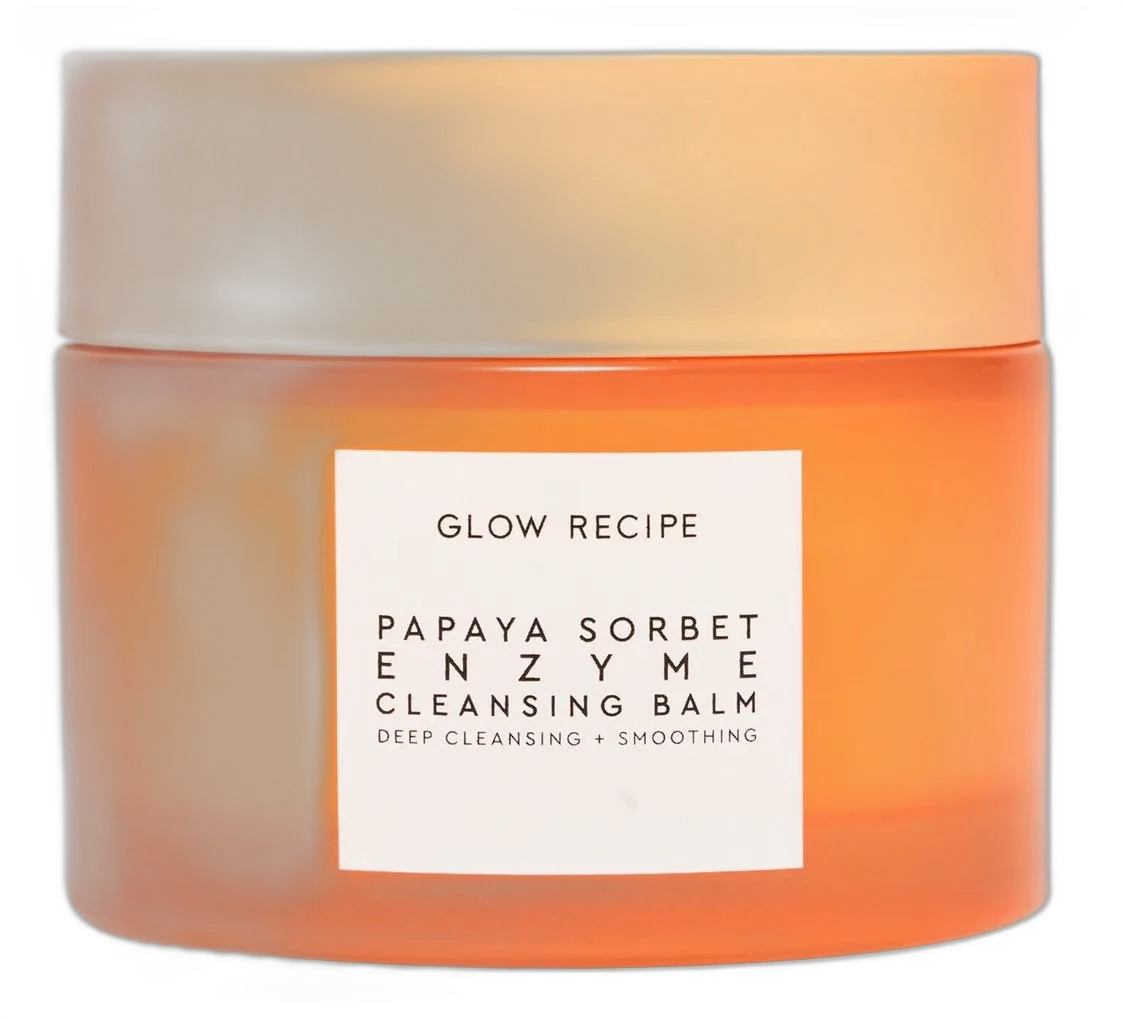
Papaya Sorbet Enzyme Cleansing Balm
Enzyme-Powered First Cleanse
 Verified reviewer
Pros & cons.
- +Triple-papaya approach adds genuine enzymatic exfoliation to the first cleanse step
- +Sorbet texture is lighter and more pleasant than traditional waxy cleansing balms
- +Effectively dissolves waterproof makeup and heavy SPF without aggressive rubbing
- +Natural fruity scent from real fruit extracts with no synthetic fragrance
- +Ophthalmologist tested and generally safe for the sensitive eye area
- +Competitive pricing at $32 with a jar lasting three to four months
- −Contains polyethylene microplastic used as a texturizing agent
- −Sorbitan oleate emulsifier has moderate comedogenic potential for acne-prone skin
- −Can leave oily residue requiring a thorough second cleanse for complete removal
- −Jar packaging is less hygienic and more precarious than tube alternatives
- −Not fungal acne safe due to multiple Malassezia-feeding ingredients
The full review.
The first cleanse is the least glamorous skincare step. It removes sunscreen residue, foundation, and environmental grime. Most people treat it as a functional, necessary, but forgettable chore. Glow Recipe decided this neglected step deserved papaya.
The Papaya Sorbet Enzyme Cleansing Balm launched in July 2020 to fill a gap in the brand’s fruit-forward lineup. While most cleansing balms use mineral oil or synthetic esters to dissolve makeup via the like-dissolves-like principle, Glow Recipe built this one around papain. This proteolytic enzyme from papaya breaks down the proteins binding dead skin cells. This means the balm gently exfoliates while it cleans. It is multitasking in a useful sense, not a marketing sense.
The triple-papaya approach is the formula’s most distinctive feature. Papain provides enzymatic exfoliation. Papaya seed oil—cold-pressed and high in oleic acid—adds fatty acids to prevent the dryness enzyme cleansers cause. Papaya fruit extract delivers antioxidants and naturally occurring alpha-hydroxy acids. Three components from one fruit each perform different roles. It is either a committed fruit theme or an elaborate excuse to list papaya three times on a label.
The texture is unique. This is not a waxy cleansing balm that requires warming to work. The sorbet consistency is light and yielding; it melts on contact with skin and becomes a silky oil within seconds of massage. Adding water shifts it into a milky emulsion that rinses thoroughly. The transformation is as pleasant as watching a bath bomb dissolve.
The scent uses fruit rather than a perfumer’s lab. Papaya, blueberry, and strawberry extracts create a light, natural aroma like a smoothie. It is subtle enough to fade before you use a second cleanser.
Performance as a first cleanse is solid. The apricot kernel oil and cetyl ethylhexanoate base dissolves waterproof mascara, mineral sunscreen, and long-wear foundation without the aggressive massage some thick balms require. The ophthalmologist-tested claim holds for most, though some users report mild eye stinging when removing eye makeup directly.
The enzymatic exfoliation is real but gentle. You won’t see the immediate brightening of an AHA treatment, but skin texture smooths perceptibly after one to two weeks of daily use. The papain works during the sixty-to-ninety-second massage before you add water and rinse. This provides a brief, consistent enzymatic treatment during a routine step. This approach appeals to anyone who finds dedicated exfoliating products inconvenient.
There are concerns. The formula contains polyethylene—the same microplastic that forced Farmacy to reformulate Green Clean. Here, it creates the sorbet texture, but it is an environmental liability. Sorbitan oleate, the emulsifier, has a moderate comedogenic rating; some users report breakouts consistent with this ingredient’s pore-clogging potential. If you are acne-prone, a thorough second cleanse is essential.
The jar packaging is serviceable. The included spatula helps hygiene, but a tube or airless pump would be more practical. The coral glass jar looks beautiful but is precarious on a wet countertop.
At thirty-two dollars for 3.38 ounces, the price is fair. It is cheaper than most premium cleansing balms and competitive with Farmacy’s Green Clean. The jar lasts three to four months with nightly use, costing about eight to eleven dollars per month. The per-use economics work for a product that replaces both a first cleanser and a gentle exfoliant.
Glow Recipe’s Papaya Sorbet does not try to revolutionize skincare. It makes a boring routine step more interesting and productive. The triple-papaya formulation adds functional value, the texture is fun, and the price is reasonable. The polyethylene is an unfortunate inclusion the brand should address in a future reformulation, but the product does what a smart first cleanser should: it removes everything and leaves skin slightly better.
Formula
Ingredient analysis.
Full INCI list
Cetyl Ethylhexanoate, Sorbitan Oleate, Prunus Armeniaca (Apricot) Kernel Oil, Polyethylene, Aqua/Water/Eau, Camellia Japonica Seed Oil, Carica Papaya (Papaya) Seed Oil, Carica Papaya (Papaya) Fruit Extract, Papain, Vaccinium Angustifolium (Blueberry) Fruit Extract, Fragaria Ananassa (Strawberry) Fruit Extract, Alkanna Tinctoria Root Extract, Capsicum Annuum Fruit Extract, Maltodextrin, Caprylic/Capric Triglyceride, Levulinic Acid, Pentylene Glycol, Sodium Metabisulfite
Skin match.
The science.
The Science
This balm uses papain for enzymatic exfoliation. Papain is a cysteine protease from papaya that breaks down keratin and other structural proteins in the stratum corneum. A 2022 review in the Journal of Cosmetic Dermatology studied proteolytic enzymes as exfoliating agents. It found papain cleaves protein bonds between corneocytes at a gentler threshold than chemical exfoliants like glycolic acid and works without a specific pH range. This makes papain ideal for a rinse-off formulation with brief contact time and no pH-optimization.
Apricot kernel oil acts as the primary dissolving medium and has a favorable fatty acid profile for skincare. It contains 58-74% oleic acid and 20-34% linoleic acid, making its composition skin-barrier-compatible. Research on topical plant oils in the American Journal of Clinical Dermatology shows that oils with higher linoleic acid content tolerate better by the skin barrier during cleansing, since linoleic acid is a native component of the stratum corneum's ceramide structure.
Camellia japonica seed oil is the formula's secondary oil and has been used in East Asian skincare for centuries. Modern analysis shows high oleic acid content (>80%) plus naturally occurring squalene, vitamin E, and polyphenols. A study in the Journal of Oleo Science documented camellia oil's antioxidant activity and skin-moisturizing properties, proving it is a functional ingredient rather than a purely aesthetic choice.
Combining enzymatic exfoliation with cleansing is pharmacologically pragmatic. Embedding the exfoliating step within the cleansing step ensures consistent daily exposure to gentle papain activity without a separate product or extra time. The brief contact period (typically 60-90 seconds) limits the enzyme's action to superficial corneocyte removal rather than deeper proteolysis, which maintains a safety margin for daily use.
References
- An overview of the use of proteolytic enzymes as exfoliating agents — Journal of Cosmetic Dermatology (2022)
- Natural Oils for Skin-Barrier Repair: Ancient Compounds Now Backed by Modern Science — American Journal of Clinical Dermatology (2018)
Dermatologist Perspective
Dermatologists view papain as a gentle exfoliating enzyme for sensitive skin in a rinse-off context. Board-certified dermatologists say embedding enzymatic exfoliation within the cleansing step helps patients who struggle with multi-step routine compliance — they get mild resurfacing during a step they already perform. Dermatologists caution that the comedogenic potential of sorbitan oleate means acne-prone patients should follow with a thorough second cleanse. The polyethylene content is not a skin concern, but it is an environmental issue that patients increasingly ask about.
Where it fits in your routine.
Use the included spatula to scoop a cherry-sized amount from the jar and warm it between dry palms. Massage over a dry face in gentle circular motions for 60-90 seconds so the papain enzyme works. Add lukewarm water to turn the balm into a milky wash. Rinse thoroughly. Use a gentle water-based second cleanser to remove all residue, then continue your evening skincare routine.
At $32 for 3.38 ounces, the Papaya Sorbet offers fair value for a premium cleansing balm. It competes with similar products from Farmacy and Banila Co but adds enzymatic exfoliation. Nightly use lasts three to four months, costing eight to eleven dollars per month. Because the Papaya Sorbet replaces both a first cleanser and a gentle daily exfoliant, the cost-per-benefit ratio is reasonable for the mid-premium segment.
Use this if you wear daily makeup or sunscreen and want your first cleanse to do more than dissolve. It works best for normal, combination, and dry skin types that benefit from the texture-smoothing effect of gentle enzymatic exfoliation during cleansing.
Avoid this product if you are concerned about microplastics because it contains polyethylene. Acne-prone skin types should use caution because the sorbitan oleate emulsifier is comedogenic. Do not use this product if you have a known papain allergy or sulfite sensitivity.
Product details.
This sorbet-like semi-solid balm has a lighter, more playful consistency than traditional waxy cleansing balms. It melts into a silky oil when it hits skin warmth, then turns into a milky emulsion when water is added. The sorbet texture makes scooping and application feel more fun than clinical.
Papaya, blueberry, and strawberry extracts provide a light, natural fruity aroma. The scent is subtle and pleasant, not perfume-like. It has no synthetic fragrance; the scent comes only from the fruit ingredients.
Coral/peach glass jar has a screw-off lid and a mini spatula for hygienic scooping. It uses Glow Recipe's signature fruit-forward aesthetic. The packaging is recyclable.
The balm melts on contact and dissolves makeup during the first use. Enzymatic activity causes a slight warmth — this is normal. Skin feels smoother and slightly brighter after rinsing. No adjustment period is needed.
Use a cherry-sized scoop nightly for 3-4 months.
12 months
All Year
The backstory.
Launched in July 2020 as Glow Recipe's first cleansing balm, the Papaya Sorbet filled a gap in the brand's fruit-forward lineup for a first-cleanse product. Each Glow Recipe product line centers on a hero fruit, and the papaya line leveraged the fruit's natural papain enzyme for exfoliating benefits. The sorbet texture was deliberately chosen over a traditional wax base to match the brand's playful, accessible identity — skincare that feels fun rather than clinical.
About Glow Recipe
Established Brand (5–20 years)Christine Chang and Sarah Lee, former L'Oreal executives, founded Glow Recipe in 2014. They moved from K-beauty curation to developing their own product line in 2017. The brand is Leaping Bunny certified and exceeds $100M in business. Products are clinically and ophthalmologist tested.
Common myths.
Enzymatic cleansers are too harsh for daily use.
Papain breaks protein bonds between dead skin cells. This mechanism is gentler than chemical acid exfoliation. At this balm's concentration, the enzymatic activity is mild enough for daily first-cleanse use without overexfoliation or barrier disruption.
Cleansing balms clog pores because they contain oils.
The oils in this balm emulsify with water and rinse away during cleansing; they do not leave significant amounts on the skin. However, the sorbitan oleate emulsifier has moderate comedogenic potential, so acne-prone users must double cleanse thoroughly.
FAQ.
Does Glow Recipe Papaya Sorbet remove waterproof mascara?
Yes — the apricot kernel oil and cetyl ethylhexanoate base dissolves waterproof and long-wear eye makeup. The product is ophthalmologist tested and safe for the eye area, but some users report mild stinging, so rinse thoroughly.
Does the Papaya Sorbet cleansing balm exfoliate?
Yes — the papain enzyme exfoliates gently during cleansing. It breaks down dead skin cell proteins while the oil base dissolves makeup. This gives the cleansing step a mild resurfacing quality most regular cleansing balms lack.
Does Glow Recipe Papaya Sorbet contain microplastics?
Yes — the formula contains Polyethylene, a classified microplastic. This texturizing agent creates the sorbet-like consistency. Note this if environmental sustainability is a priority.
Do I need a second cleanser after Glow Recipe Papaya Sorbet?
Most users use a gentle water-based second cleanser after this balm to remove all makeup, sunscreen, and oil residue — this is vital for acne-prone skin. The emulsifier system rinses well, but a second cleanse works more thoroughly.
Is Glow Recipe Papaya Sorbet safe during pregnancy?
Yes — the formula lacks retinoids, salicylic acid, or other pregnancy-contraindicated ingredients. The papain enzyme is generally safe in topical cleansing products during pregnancy, but you should consult your healthcare provider.
What the community says.
"Excellent at dissolving stubborn waterproof makeup and heavy SPF"
"Luxurious sorbet texture that makes cleansing feel like a spa ritual"
"Leaves skin feeling soft and smooth without stripping or tightness"
"Pleasant natural fruity scent from papaya and berry extracts"
"Gentle enough for daily use including around the eye area"
"A little product goes a long way making the jar last well"
"Can leave a greasy or oily residue requiring a thorough second cleanse"
"Some users experienced breakouts likely from comedogenic sorbitan oleate"
"Contains polyethylene microplastic which is an environmental concern"
"Slight eye stinging reported by some despite ophthalmologist-tested claim"
"Jar packaging is less hygienic than pump despite included spatula"
"Oily skin types may find it increases morning oiliness"
Featured in.
People also looked at.