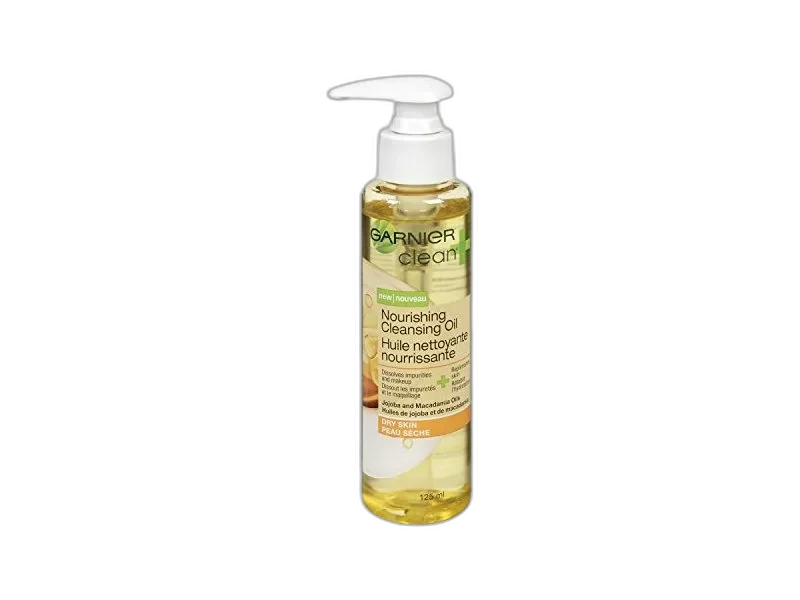
Clean+ Nourishing Cleansing Oil
Drugstore Oil Cleanser
 Verified reviewer
Pros & cons.
- +Affordable entry-level oil cleanser at under $10
- +Effectively removes mascara and everyday sunscreen
- +Light texture is easy to massage without dragging
- +Rinses cleanly without greasy residue
- +Widely available at major drugstores
- +Generous 5 fl oz bottle offers solid value per ounce
- −Contains strong fragrance with multiple EU allergens
- −Not suitable for sensitive, reactive, or eczema-prone skin
- −PEG emulsifier not preferred by consumers avoiding PEG surfactants
- −No ingredient elegance beyond the basic cleansing function
The full review.
There’s a specific window in the mid-2010s when Japanese-style double cleansing started showing up on American drugstore shelves, translated through the filter of what mass-market brands thought Western consumers would understand. The result was a wave of oil cleansers with aggressive fragrances, cheerful packaging, and a learning curve that wasn’t really explained anywhere on the label. Garnier’s Clean+ Nourishing Cleansing Oil is a product of that moment, and evaluating it fairly means understanding what it was trying to be: an accessible, affordable gateway to oil cleansing for someone who had never bought one before.
On that specific brief, it succeeds. The formula opens with isohexadecane, a lightweight synthetic hydrocarbon that dissolves silicone-based sunscreens and long-wear makeup with impressive efficiency for the price. Then comes a plant-oil blend — soybean, sesame, macadamia, camellia, olive — that softens the cleansing action and adds a faint skin-feeding element through their natural fatty acid and tocopherol content. The PEG-20 glyceryl triisostearate emulsifier lets the whole thing transform into a milky emulsion when water is added, which is the functional trick that separates a good oil cleanser from a greasy disappointment. Mascara rinses off cleanly, sunscreen disappears without leaving the dreaded film, and the texture is thin enough to massage across the face without dragging.
At under $10, the value proposition is real. Compared to cleansing oils three and four times the price, this formula is within striking distance on basic cleansing performance for everyday use. You’re not getting boutique ingredient elegance or the preservative-minimal philosophy of the best J-beauty options, but you’re getting something that genuinely works as a first cleanse, and for many users that’s enough. The pump dispenser is functional, the bottle is generously sized, and a single bottle lasts a good two to three months with nightly use. Judged on utility per dollar, it earns its shelf space.
Where the product runs into trouble is the fragrance. The formula contains parfum high enough on the ingredient list to be noticeable throughout the cleansing step, and the specific fragrance components include limonene, linalool, citronellol, hexyl cinnamal, and benzyl salicylate — all EU-declared fragrance allergens that must be labeled when they exceed specific thresholds. This isn’t a hidden issue; any label-reader can spot it immediately. But it significantly narrows the product’s appropriate audience. Sensitive and reactive skin, rosacea-prone users, eczema-prone users, and anyone whose skin has ever reacted to fragranced skincare should treat this as a clear skip. For users with tolerant skin who actively enjoy a fragranced cleansing experience, the scent is pleasant — floral, a little fresh, not overpowering in the way some heavily-fragranced drugstore products can be. But the risk profile is genuinely different from a fragrance-free cleansing oil, and the label does not soften that difference.
The other thing worth naming is what this product isn’t. It isn’t formulated with the kind of ingredient obsession that premium oil cleansers bring to the table. The PEG-based emulsifier is effective but not preferred by consumers who avoid PEG surfactants for personal reasons. There’s no vitamin C derivative, no ceramide, no ergothioneine, no thoughtful antioxidant sprinkle. BHT appears in the preservative system, which is a standard and safe choice but one that modern clean-beauty-leaning brands have moved away from. None of these are flaws in absolute terms — they’re just indicators that this product was engineered to a price point rather than to a formulation philosophy.
For the specific user this is aimed at — someone new to oil cleansing, working with a drugstore budget, whose skin tolerates fragrance, who wants to try double cleansing without committing to a $30 bottle of boutique product — this is a reasonable starting point. The basic mechanics are right. The cleansing performance is adequate. The price is genuinely accessible. If the fragrance sits well with your skin, you’ll learn what oil cleansing is supposed to feel like from this product, and you can decide later whether to upgrade to a more elegant formulation.
For the user with reactive skin, a more complex routine, or preferences for fragrance-free products, this isn’t the right choice. The market has gentler drugstore options, and the J-beauty and K-beauty cleansing oil categories have matured enough that fragrance-free alternatives exist at a variety of price points. The compromise this product asks you to make — fragrance tolerance in exchange for affordability — isn’t a fair trade for sensitive skin in 2026, when alternatives exist.
Where does that leave the overall assessment? Competent drugstore engineering. Real value for the right audience. A formulation that hasn’t been aggressively updated in the years since fragrance-free has become a stronger consumer preference. A starter product for people who don’t know what they want yet, and a skip for people who do.
Ingredient analysis.
Full INCI list
Isohexadecane, Glycine Soja (Soybean) Oil, PEG-20 Glyceryl Triisostearate, Sesamum Indicum (Sesame) Seed Oil, Hydrogenated Polyisobutene, Caprylic/Capric Triglyceride, Macadamia Integrifolia Seed Oil, Camellia Oleifera Seed Oil, Olea Europaea (Olive) Fruit Oil, Polyglyceryl-3 Diisostearate, Tocopherol, Hydrogenated Vegetable Oil, Parfum (Fragrance), Limonene, Linalool, Hexyl Cinnamal, Citronellol, Benzyl Salicylate, BHT
Skin match.
The science.
The Science
This mass-market emulsifying oil cleanser follows standard cosmetic chemistry. Isohexadecane is a synthetic emollient that dissolves silicone and is non-comedogenic; it drives the product's makeup-removal efficacy. PEG-20 glyceryl triisostearate is a nonionic emulsifier that forms an oil-in-water emulsion when it hits water, allowing the cleanser to rinse off without a greasy film. Research on cleanser barrier impact shows that oil-based cleansing with nonionic emulsifiers is generally gentler on the barrier than sulfate surfactant systems, though specific product gentleness depends on the total composition. The plant oils — soybean, sesame, macadamia, camellia, olive — use well-characterized fatty acid profiles and tocopherol content to act as light emollients. However, the fragrance load contradicts the sensitive-skin benefits oil cleansers can offer. Fragrance is a common contact sensitizer in dermatological literature. Because this formula contains multiple EU-declared fragrance allergens (limonene, linalool, citronellol, hexyl cinnamal, benzyl salicylate) at disclosable thresholds, it has a higher sensitization risk than fragrance-free alternatives. The formulation is not novel; it is a competent execution of standard emulsifying-oil-cleanser principles for drugstore price points.
Dermatologist Perspective
Dermatologists often recommend oil-based first cleansers to patients wearing daily sunscreen to ensure complete removal of silicone-based SPF. However, dermatologists also advise sensitive-skin, rosacea-prone, or eczema-prone patients to use fragrance-free cleansers to minimize contact sensitization risk. A cleansing oil with a high fragrance load and multiple EU-declared allergens is typically not the recommended choice for reactive patients; dermatologists generally steer those users toward explicitly fragrance-free alternatives. For tolerant skin types seeking an affordable entry to oil cleansing, board-certified dermatologists note that mass-market options provide acceptable everyday cleansing performance, though they prefer gentler formulations when the budget allows.
Where it fits in your routine.
Use this as your first evening cleanse. Apply to dry skin and dry hands; water reduces cleansing power here. Dispense 2-3 pumps into your palm and massage the entire face for 30-60 seconds, focusing on the hairline, nose, and eye area. Wet your fingertips and massage until the oil emulsifies into a milky white texture. Rinse well with lukewarm water. Use a gentle water-based cleanser afterward to remove heavy makeup or sunscreen.
At about $8 for 5 fl oz, this is one of the cheapest oil cleansers in the drugstore aisle. The per-ounce price competes with almost everything in the category. One bottle lasts two to three months with nightly use. This offers real value for tolerant skin users seeking an affordable introduction to oil cleansing. For sensitive users who eventually buy a second fragrance-free alternative, the savings disappear quickly. Compared to premium J-beauty oil cleansers at three to four times the price, you trade formulation elegance and fragrance-free purity for cost. Whether that trade works depends on how much your skin cares about the difference.
New oil cleansing users seeking an affordable starter, budget-conscious shoppers with tolerant skin, and anyone wearing daily sunscreen who wants an effective first cleanse without paying boutique prices.
Use this for sensitive, reactive, rosacea-prone, or eczema-prone skin, fragrance-free routines, and anyone avoiding PEG-based emulsifiers. Skip if your skin reacted to fragranced cleansers before.
Product details.
This thin, pale-yellow oil spreads easily and turns into a milky white emulsion when water is added.
Strong floral fragrance — pleasant but assertive, stays noticeable during the cleansing step.
Plastic bottle with a pump dispenser, standard drugstore format.
First use shows strong makeup-removal performance — mascara and sunscreen rinse off cleanly in one pass. The fragrance is the most noticeable feature. No purging expected for most users.
About 2-3 months with nightly first-cleanse use.
12 months
All Year
The backstory.
Garnier launched the Clean+ line as its entry into the oil cleanser trend, aiming to bring Japanese-style double-cleansing to drugstore consumers who weren't going to buy niche J-beauty products. It's designed for accessibility and cost, not boutique formulation.
About Garnier SkinActive
Legacy Brand (20+ years)Garnier started in France in 1904 and joined L'Oréal in 1965. The Clean+ oil cleanser is a drugstore product that uses L'Oréal's research infrastructure at a cost-optimized price tier.
Common myths.
Drugstore oil cleansers remove less makeup than luxury ones.
This formula cleanses everyday makeup and most sunscreens as well as many premium cleansing oils. Higher-end options differ in fragrance load and ingredient elegance, not basic cleansing efficacy.
All oil cleansers are gentle.
This formula has a high fragrance load and includes multiple EU-declared allergens. Gentle-formulation claims depend on the specific product, not the oil-cleanser category.
FAQ.
Does it actually remove waterproof mascara?
Yes — the isohexadecane and plant-oil base dissolves silicone and hydrocarbon-based makeup, including most waterproof mascaras. Let the oil sit on lashes for 10-15 seconds, then massage and rinse.
Is it good for sensitive skin?
No — the formula has a noticeable fragrance with several EU-declared fragrance allergens like limonene, linalool, and citronellol. Sensitive, reactive, or eczema-prone skin needs a fragrance-free oil cleanser.
Can I skip a second cleanse after using this?
One thorough pass works for everyday makeup and light sunscreen. Use a gentle water-based cleanser afterward for heavy makeup, stubborn waterproof sunscreens, or a thoroughly stripped-clean feel.
Is this safe during pregnancy?
Yes — the formula lacks retinoids, salicylic acid, hydroquinone, or concerning essential oils at treatment levels. Fragrance allergens pose a contact-sensitivity risk rather than a systemic pregnancy risk.
Will it break out acne-prone skin?
Most users tolerate it, but the plant oils and fragrance make it unsuitable for fungal-acne-avoidant routines. Patch-test along the jawline for one week if you have reactive or acne-prone skin.
How does it compare to Japanese oil cleansers?
Drugstore oil cleansers usually trade fragrance load and ingredient elegance for lower prices, rather than comparing brand-on-brand. This one removes basic makeup adequately but has more fragrance than cleansers marketed for sensitive skin.
What the community says.
"Very affordable for an oil cleanser"
"Removes mascara and waterproof makeup effectively"
"Rinses cleanly without greasy residue"
"Light texture makes it easy to massage across the face"
"Strong fragrance bothers sensitive skin"
"Contains multiple fragrance allergens (limonene, linalool, citronellol)"
"Not a good match for reactive or eczema-prone users"
People also looked at.