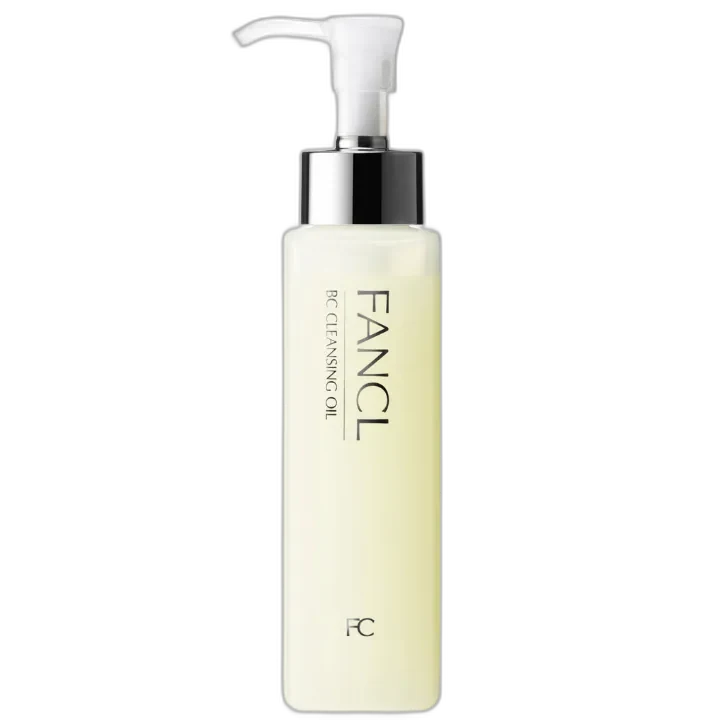
BC Cleansing Oil
J-Beauty Cleansing Gold Standard
 Verified reviewer
Pros & cons.
- +Removes long-wear sunscreen and waterproof makeup effortlessly
- +Rinses completely clean with no tight or stripped feeling
- +Works on both wet and dry skin
- +Preservative-free and fragrance-free formulation
- +Kukui, rosehip, and oil-soluble vitamin C add genuine botanical layer
- +Non-stinging around eyes, suitable for sensitive users
- +Long-running Fancl reputation for gentle cleansing
- −Expensive compared with Fancl's own Mild Cleansing Oil
- −120ml size is small for daily use
- −6-month use-by window after opening
- −Contains palm oil, a concern for sustainability-focused shoppers
- −Not fungal acne safe due to palm and plant oils
The full review.
Fancl has made preservative-free skincare since 1980. This serves as a long-running test of whether a Western-style cosmetics supply chain can produce clean formulations without standard preservative scaffolding. The answer is yes, but only by rebuilding packaging, batch-production, and shelf-life models. Most ‘clean’ brands use milder preservatives. Fancl uses sealed single-use or short-shelf-life packaging, smaller production runs, and a ‘use it within six months’ rule to keep its promise. This philosophy makes the BC Cleansing Oil feel different from Western cleansing oils; you smell the absence of preservatives and fragrance immediately upon pumping it into your palm. There is nothing there but oil.
The ingredient deck is a thoughtful J-beauty cleansing oil formulation. The base uses synthetic esters—cetyl ethylhexanoate, triethylhexanoin, and pentaerythrityl tetraisostearate—to provide light, non-greasy slip without the heaviness of pure botanical oils. Polyglyceryl emulsifiers and polysorbate 60 allow the oil to turn into a milky emulsion when it touches water. This property separates well-engineered modern cleansing oils from old PEG-based formulas that strip the skin. The rinse is clean, leaving no residue, no slick, and no tight feeling. This is why Fancl’s cleansing oils have a strong reputation.
The ‘BC’ in the name stands for beauty care, distinguishing this from Fancl’s core Mild Cleansing Oil. Kukui nut oil from Hawaii is the main botanical; this high-linoleic-acid oil is used traditionally in Hawaiian skincare and provides a cushioned afterfeel. Rosehip oil adds a small amount of high linoleic acid and naturally occurring trans-retinoic acid, which provides a modest anti-aging benefit. Ascorbyl dipalmitate is an oil-soluble vitamin C derivative that stays stable in an anhydrous formula and adds antioxidant support during massage. Tocopherol adds more antioxidant support and protects the unsaturated plant oils from rancidity, which is vital without synthetic preservatives. This is a modest upgrade over the Mild Cleansing Oil rather than a dramatic one; the cleansing performance is essentially identical, with the difference being the added treatment layer during massage.
In practice, this cleansing oil does exactly what a cleansing oil should do. It dissolves long-wear sunscreen and waterproof mascara in 30-60 seconds of gentle massage. It works on wet or dry hands. It emulsifies into a milky lather upon contact with water. It rinses to a soft, cushioned finish that requires no follow-up toner for comfort. It is non-stinging and safe for use around the eyes. Most importantly for its preservative-free positioning, it is fragrance-free, which is rare for premium J-beauty at this price point. Many Japanese prestige skincare products include subtle floral fragrance, so skipping it helps sensitive users.
The complaints are minor. At $50 for 120ml, this costs more than Fancl’s Mild Cleansing Oil, which performs nearly identically during cleansing. If you do not need a ‘slightly upgraded’ version, the Mild version saves money without losing performance. The bottle is small for daily use, and the preservative-free format requires use within six months of opening rather than a full year. Also, palm oil remains a concern for shoppers tracking ingredient sustainability, though Fancl uses its standard Japanese supply chain.
One might ask if a $50 cleansing oil is worth the investment since most of it rinses away. A good cleansing oil matters if you wear sunscreen and makeup daily, as aggressive cleansing often damages skin barriers. Paying a premium for a gentle, residue-free, preservative-free first cleanse differs from paying for an eye cream; the cleanse is where most damage occurs, so a better cleanser has outsized benefits. This applies to this product and Fancl’s cleansing oils generally. They are expensive, but they are also the most reliably gentle high-performance cleansing oils on the market.
As a J-beauty routine anchor, this is an easy recommendation if you have the budget. As a cleansing oil, it is one of the cleanest-rinsing, most tolerable, and most universally compatible options. The Mild version is the value choice; the BC version is the upgrade for those wanting the kukui, rosehip, and vitamin C story. Once you double-cleanse with Fancl, it is hard to return to cheaper oils.
Ingredient analysis.
Full INCI list
Cetyl Ethylhexanoate, Triethylhexanoin, Polyglyceryl-6 Dicaprate, Polyglyceryl-10 Diisostearate, Pentaerythrityl Tetraisostearate, Glyceryl Behenate/Eicosadioate, Phytosteryl Isostearyl Dimer Dilinoleate, Polysorbate 60, Dextrin Palmitate/Ethylhexanoate, Aleurites Moluccana Seed Oil, Elaeis Guineensis (Palm) Oil, Rosa Canina Fruit Oil, Ascorbyl Dipalmitate, Dextrin Palmitate, Polyglyceryl-2 Isostearate, Tocopherol
Skin match.
The science.
The Science
Cleansing oil chemistry relies on a simple principle: lipophilic cleansers dissolve lipophilic contaminants (sunscreens, sebum, silicone-based makeup) better than water-based foaming cleansers. Modern cleansing oils combine a lipid-soluble solvent phase with a self-emulsifying surfactant system. This allows the oil to turn into a rinsable milky emulsion when it hits water. Formulation chemistry has used this mechanism for decades; it is now the standard first-cleanse step in dermatologist-recommended double-cleansing routines for makeup wearers and sun-exposed skin. The polyglyceryl emulsifier system in this formula — polyglyceryl-6 dicaprate, polyglyceryl-10 diisostearate, and polysorbate 60 — is a gentle approach. It avoids the high-HLB surfactants found in older PEG-based cleansing oils that leave skin feeling tight and stripped. The botanical actives in the BC variant have more modest evidence. Kukui nut oil has traditional-use data and a well-characterized fatty acid profile (high linoleic, which theoretically supports barrier integrity), but clinical trials on finished-product kukui skincare are limited. Rosehip seed oil has a few topical studies supporting anti-aging claims, driven by its high polyunsaturated fatty acid content and small amounts of trans-retinoic acid. Oil-soluble vitamin C derivatives like ascorbyl dipalmitate show antioxidant effects in topical formulations, though skin conversion efficiency to ascorbic acid is lower than for water-soluble derivatives. Because most of a cleanser is rinsed off, these actives provide a modest contribution. This is a reasonable limitation; the product still provides a gentle, thorough, residue-free first cleanse that respects the barrier.
Dermatologist Perspective
Dermatologists recognize oil cleansing as a legitimate, often superior first step for patients wearing sunscreen and makeup daily, especially those with sensitive or dry skin prone to stripping from foaming cleansers. Board-certified dermatologists frequently recommend gentle cleansing oils followed by a mild water-based second cleanse as the safest high-performance routine for patients with rosacea, eczema in remission, or compromised barriers. Fancl's cleansing oils are well-regarded in dermatologic circles for their fragrance-free, preservative-free, low-irritation profile. Clinical caveats exist for patients with active fungal acne (Malassezia folliculitis), as plant-derived triglycerides in the formula can worsen the condition. Additionally, for patients on strict budgets, the BC variant's price premium over the Mild version lacks clinical justification.
Where it fits in your routine.
Apply 2-3 pumps to dry or slightly damp skin. Massage in circular motions for 30-60 seconds, focusing on makeup-heavy areas like the eyes, lashes, and jawline. Wet hands slightly to turn the oil into a milky lather, then massage for 10-15 seconds more before rinsing with lukewarm water. Use a gentle water-based second cleanser if you wear heavy makeup or sunscreen. Use at night as the first step of a double cleanse; use in the morning only if overnight residue warrants it. Use within 6 months of opening because the formula is preservative-free.
At $50 for 120ml, this is a premium J-beauty cleansing oil. The value comes from its preservative-free, fragrance-free formula, added botanical actives, and Fancl's history of gentle cleansing. You do not pay for better performance than Fancl's Mild Cleansing Oil, which costs less and cleanses essentially identically. The premium is defensible if you want the BC variant's specific upgrades — kukui, rosehip, oil-soluble vitamin C. If you want the best cleansing efficiency per dollar, the Mild version is the smarter buy. The BC variant matches Western prestige cleansing oils at similar prices for formulation cleanliness and sensory performance.
Use this if you wear daily sunscreen or makeup and want a gentle first cleanse that protects the barrier. It works well for sensitive skin, dry skin, rosacea in remission, and J-beauty enthusiasts who want preservative-free and fragrance-free formulations. It also suits users switching from aggressive foaming cleansers to repair damage from over-cleansing.
People with confirmed fungal acne should avoid this because of the palm and plant oils. Budget-conscious Fancl fans can use the Mild Cleansing Oil instead; it works nearly identically for less money. Shoppers tracking palm oil sourcing should check Fancl's latest sustainability disclosures before buying.
Product details.
Lightweight, silky oil that turns into a milky lather when it touches water
Completely unscented — one of Fancl's signature preservative-free promises
Plastic bottle with pump dispenser and protective seal — preservative-free format requires careful handling
The first use feels silky. The oil glides without tackiness, emulsifies fast, and rinses to a soft, cushioned finish with zero residue. It does not sting or tingle, even on sensitive skin. Most users notice the cushioned afterfeel immediately and do not return to their previous cleanser.
2-3 months with nightly use as first cleanse
6 months
All Year
The backstory.
Fancl built its brand identity around preservative-free skincare, a proposition that required developing sealed short-shelf-life packaging and producing products in small batches. The BC Cleansing Oil sits at the top of the brand's cleansing lineup as the 'beauty care' variant, positioned as the upgrade for shoppers who want antioxidant support alongside the brand's signature gentle rinse. It has been one of Japan's highest-selling cleansing oils since its launch.
About Fancl
Legacy Brand (20+ years)Fancl launched in 1980 in Japan and led the 'preservative-free' skincare category. It uses sealed single-use packaging and short-shelf-life formulations. The brand is a top-selling skincare house in Japan with decades of J-beauty heritage and a global following, especially for its cleansing oils.
Common myths.
Oil cleansers are bad for oily or acne-prone skin.
The "like dissolves like" principle works. Oil cleansers remove sebum and sunscreen better than water-based cleansers, and they rinse cleaner than harsh foaming cleansers that strip the barrier. Oily skin often performs better with an oil-then-water double cleanse than with an aggressive foam, because the oil respects the barrier the skin is trying to rebuild.
Preservative-free skincare is automatically safer.
Preservative-free skincare needs strict packaging, short shelf life after opening, and careful handling to prevent microbial contamination. Fancl uses engineering to manage this. For shoppers who follow the use-by date, the proposition works — for shoppers who don't, preservative-free can be less safe than a well-preserved product.
FAQ.
How does it compare to the original Fancl Mild Cleansing Oil?
The Mild Cleansing Oil is Fancl's core bestseller; it is simpler, slightly cheaper, and preservative-free. The BC Cleansing Oil adds kukui nut oil, rosehip, and oil-soluble vitamin C to target antioxidant and brightening benefits. Cleansing performance is essentially identical. The Mild version offers the best Fancl cleansing experience at the best price. The BC version is the upgrade if you want added botanicals and a treatment layer during cleanse.
Can I use it on waterproof mascara and sunscreen?
Yes — this is what cleansing oils do best. The synthetic ester base and polyglyceryl emulsifiers dissolve long-wear makeup and waterproof sunscreen. For stubborn eye makeup, massage gently over closed eyes for 10-15 seconds before rinsing.
Is it okay to use on wet hands?
Yes — Fancl formulates this for both wet and dry skin. Dry application feels thicker during massage; wet application emulsifies faster. Both rinse equally clean.
How long does one bottle last?
A 120ml bottle lasts most users 2-3 months with nightly use. Because the formula is preservative-free, the brand recommends using it within six months of opening.
Is it fungal acne safe?
No — palm oil and certain natural plant oils in the formula feed Malassezia yeast. If you have confirmed fungal acne, use a fully synthetic ester cleansing oil without plant-derived triglycerides.
Is it really preservative-free?
Yes — Fancl's packaging and batch production model avoids added preservatives. This defines the brand and causes a shorter shelf life after opening than most Western cleansing oils.
What the community says.
"Removes every last bit of sunscreen and makeup"
"Doesn't leave skin tight or stripped"
"Works on both dry and wet hands"
"No fragrance, no sting, no residue"
"Rinses completely clean"
"Expensive compared with Fancl's own Mild Cleansing Oil"
"120ml bottle is small for daily use"
"Palm oil sourcing is a concern for some shoppers"
"Short shelf life after opening due to preservative-free format"
Featured in.
People also looked at.