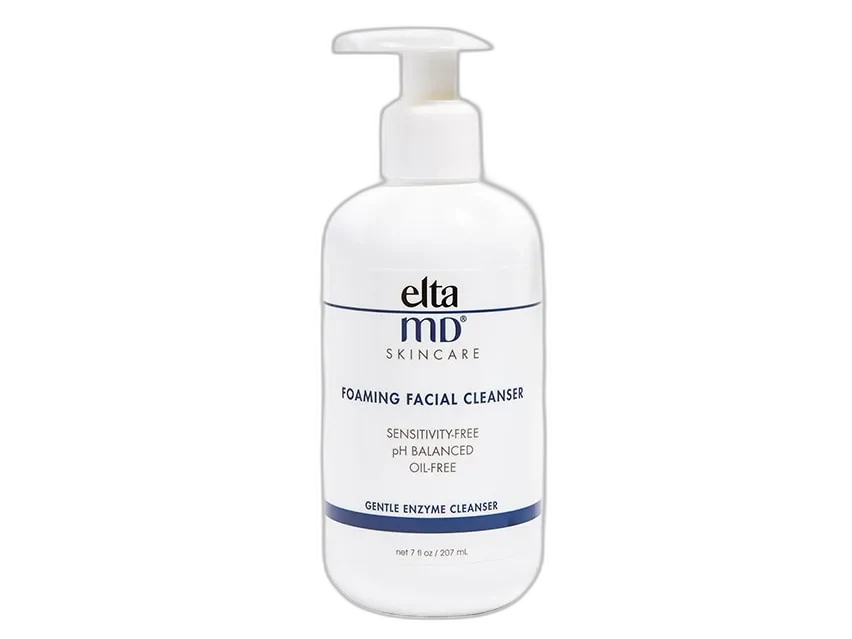
Foaming Facial Cleanser
Derm Office Everyday Cleanser
 Verified reviewer
Pros & cons.
- +Amino acid surfactant system cleanses effectively without stripping the skin barrier
- +Self-foaming technology extends enzymatic contact time for gentle exfoliation
- +Generous 7 oz bottle provides excellent value per use over months
- +pH-balanced at approximately 5.5 to maintain skin's acid mantle
- +Sulfate-free formula suitable for daily use on most skin types
- +Bromelain enzyme provides subtle enzymatic exfoliation without added irritation
- +Removes makeup and sunscreen effectively without double cleansing for light wear
- −Contains fragrance despite being marketed for sensitive and post-procedure skin
- −Fluorocarbon compounds draw scrutiny from ingredient-conscious consumers
- −Being phased out in favor of the Skin Recovery Amino Acid Foaming Cleanser
- −Pump mechanism can clog and drip with regular use
- −May not foam as richly as sulfate-based cleansers which some users prefer
- −Not ideal as a sole cleanser for heavy makeup removal
The full review.
For years, the EltaMD Foaming Facial Cleanser held a specific niche: it was the cleanser dermatologists sampled when patients started a new prescription retinoid. It lacks glamour or Instagram appeal; it is simply gentle and effective—the beige sedan of face washes.
The formula’s foundation explains why dermatologists use it. EltaMD uses sodium cocoyl glycinate instead of sodium lauryl sulfate or sodium laureth sulfate. This amino acid-derived surfactant foams well and maintains a skin pH near 5.5. They add sodium cocoyl apple amino acids as a secondary surfactant to boost cleansing without increasing irritation. The cleanser removes makeup, sunscreen, and urban grime without the stripping sensation of dish soap.
The self-foaming technology attracts users. You massage the thin liquid onto damp skin, wait thirty seconds, and it becomes a thick foam. EltaMD calls this “micro-massaging bubbles that deliver oxygen to the skin surface,” but the oxygen claim is marketing. The self-foaming action actually extends contact time with bromelain—a pineapple-derived enzyme that dissolves dead skin cells during that thirty-second window. This mechanism provides mild enzymatic exfoliation without extra effort.
Capryloyl glycine and undecylenoyl glycine provide mild antimicrobial activity to manage acne-causing bacteria. They are less aggressive than benzoyl peroxide or salicylic acid and won’t clear breakouts alone, but they offer maintenance-level antimicrobial benefits.
The formula contains fragrance. This is not essential oils or naturally derived aromatics, but fragrance—a term covering many undisclosed aromatic compounds. For a brand built on clinical credibility and sensitivity, this is a strange choice. The scent is light and inoffensive, and most people won’t react, but it conflicts with the “recommended by dermatologists for sensitive skin” positioning.
The formula also includes fluorocarbon compounds: methyl perfluoroisobutyl ether and methyl perfluorobutyl ether. These create the self-foaming action and draw scrutiny from consumers concerned about PFAS. Regulatory bodies consider these specific compounds safe in cosmetics at these low concentrations, but including ingredients that cause consumer anxiety is a strategic misstep for a brand relying on clinical trust.
Performance is good. The foam is dense and doesn’t dry the skin. You need a double cleanse for heavy makeup, but it works alone for light makeup and SPF. The 7-ounce bottle lasts three to four months, keeping the per-use cost reasonable. Skin feels clean, soft, and balanced after rinsing, with no tightness or film.
EltaMD is replacing the formula with the Skin Recovery Amino Acid Foaming Cleanser. The new version removes fragrance and fluorocarbons and uses a similar amino acid surfactant base. Many retailers are phasing out the original Foaming Facial Cleanser.
As a daily foaming cleanser that respects the skin barrier, the EltaMD Foaming Facial Cleanser earned its place in dermatology offices. It is not perfect, and the successor addresses its main criticisms. If the fragrance does not bother you, it remains a solid, effective, and reliable face wash.
Formula
PM routine
Ingredient analysis.
Full INCI list · pH 5.5
Purified Water, Sodium Cocoyl Glycinate, Acrylates Copolymer, Sodium Cocoyl Apple Amino Acids, Methyl Perfluoroisobutyl Ether, Magnesium Silicate, Methyl Perfluorobutyl Ether, Bromelain, Dimethicone Copolyol, Polyhydroxystearic Acid, Isononyl Isononanoate, Ethylhexyl Isononanoate, Sodium Cocamidopropyl PG-Dimonium Chloride Phosphate, Phenoxyethanol, Sodium Hydroxide, Capryloyl Glycine, Undecylenoyl Glycine, Sodium Bisulfite, Fragrance
Skin match.
The science.
The Science
The EltaMD Foaming Facial Cleanser works through an amino acid surfactant system and enzymatic exfoliation, both backed by dermatological research.
Amino acid surfactants like sodium cocoyl glycinate show better skin compatibility than traditional anionic surfactants. Research in the International Journal of Cosmetic Science shows that amino acid surfactants maintain natural skin pH and disrupt the stratum corneum lipid structure less than sodium lauryl sulfate and sodium laureth sulfate. This results in less transepidermal water loss (TEWL) and less irritation after cleansing—especially for patients using barrier-stressing treatments like retinoids.
Bromelain, the pineapple-derived protease in this formula, has documented enzymatic properties. Studies show bromelain selectively cleaves peptide bonds in denatured proteins—including the desmoglein bonds holding dead corneocytes to the skin surface—without changing skin pH or disrupting viable keratinocytes beneath. In this wash-off format, the 30-second contact time allows surface-level desquamation without the penetration concerns of leave-on enzymatic products.
The antimicrobial amino acid derivatives capryloyl glycine and undecylenoyl glycine work by disrupting bacterial cell membranes. Research in the Journal of Cosmetic Dermatology shows these compounds are active against Cutibacterium acnes at concentrations found in topical formulations, though their efficacy in a rinse-off product with brief contact time is likely modest compared to leave-on antimicrobial treatments.
The fluorocarbon compounds (methyl perfluoroisobutyl ether and methyl perfluorobutyl ether) act as the self-foaming agents. While these sometimes fall under the broader PFAS umbrella, they are volatile compounds that evaporate quickly and are not persistent like the longer-chain PFAS compounds that raise environmental and health concerns.
Dermatologist Perspective
Dermatologists often recommend the EltaMD Foaming Facial Cleanser as a gentle daily cleanser for patients on prescription retinoids, post-procedure regimens, or those with reactive skin. Board-certified dermatologists note the amino acid surfactant system cleans effectively with minimal barrier disruption—a critical factor when patients use barrier-stressing actives. The enzymatic exfoliation from bromelain helps maintain skin clarity without extra exfoliating products. However, some dermatologists find the fragrance inclusion inconsistent with the product's sensitive-skin positioning. The brand's release of a fragrance-free successor suggests EltaMD has acknowledged this clinical feedback.
Where it fits in your routine.
Wet your face and hands with lukewarm water. Massage one to two pumps into your face using circular motions. Wait 30 seconds for the cleanser to self-foam; the bromelain enzyme works during this time. Rinse well with lukewarm water and pat dry. Use morning and night. If wearing heavy makeup, use an oil-based cleanser or micellar water first. Avoid the eye area. Apply toner, serum, or moisturizer immediately while skin stays slightly damp.
At $35 for 7 ounces, the EltaMD Foaming Facial Cleanser offers high value for professional skincare. A 3.38 oz travel size exists for testing before purchase. Each use costs about $0.15-0.20, matching drugstore prices and undercutting luxury cleansers. The amino acid surfactant system and enzymatic technology justify the slight premium over basic foaming cleansers. Because the product is being phased out, availability and pricing may vary. EltaMD's 30-year history as a clinical brand supports this price point.
This gentle, effective daily foaming cleanser works for retinoid regimens or combination to oily skin. It cleanses thoroughly without stripping. It is ideal for users who want built-in enzymatic exfoliation during their cleansing step.
People with fragrance sensitivities can use the newer Skin Recovery Amino Acid Foaming Cleanser instead. Those with very dry or severely compromised skin may prefer a cream or balm cleanser. People avoiding fluorocarbon compounds should also look elsewhere.
Product details.
Self-foaming formula transforms from a thin liquid to a thick, dense foam within 30 seconds of application. It feels light and airy on the skin.
Light, clean fragrance — noticeable but not overpowering. Dissipates quickly after rinsing.
Pump bottle (7 oz standard, 3.38 oz travel size). The pump sometimes clogs or drips and needs cleaning.
No adjustment period. The self-foaming technology is unique — you massage the liquid onto damp skin and it foams up on its own within 30 seconds. Skin feels clean but not tight after rinsing. The bromelain enzyme works subtly and you won't feel any tingling or exfoliation during use.
3-4 months with twice-daily use
12 months
All Year
The backstory.
Developed as part of EltaMD's expansion from professional skincare into daily-use products, the Foaming Facial Cleanser was designed to be the gentle daily cleanser recommended alongside EltaMD's clinical sunscreens and treatments. It's now being succeeded by the reformulated Skin Recovery Amino Acid Foaming Cleanser, which drops the fragrance and fluorocarbon compounds.
About EltaMD
Legacy Brand (20+ years)EltaMD started from a Swiss healing ointment tradition. It launched in the US in 1988 as a professional wound care line for hospitals and burn centers. The brand moved to consumer skincare in 2007 and is the #1 dermatologist-recommended professional sunscreen brand. Colgate-Palmolive acquired EltaMD in 2018.
Common myths.
Foaming cleansers always strip the skin barrier.
The surfactant system determines this. This cleanser uses amino acid-based surfactants (sodium cocoyl glycinate) instead of sulfates. These foam well, keep a skin-compatible pH of around 5.5, and preserve the lipid barrier.
Cleansing works only if your skin feels squeaky-clean.
That squeaky feeling indicates lipid stripping. This cleanser leaves slight residual moisture because it cleans without removing the skin's protective oils — the goal of a properly formulated cleanser.
FAQ.
Is EltaMD Foaming Facial Cleanser good for acne?
Yes — the amino acid surfactant system removes excess oil without over-stripping. Bromelain enzyme promotes gentle exfoliation, and antimicrobial amino acids (capryloyl glycine, undecylenoyl glycine) manage acne-causing bacteria. However, this is a maintenance cleanser, not an acne treatment.
Does EltaMD Foaming Facial Cleanser contain sulfates?
No. It uses amino acid-based surfactants (sodium cocoyl glycinate and sodium cocoyl apple amino acids) instead of sulfates. These produce a good foam, keep the skin's natural pH near 5.5, and disrupt the skin barrier less than sulfate cleansers.
Is EltaMD Foaming Facial Cleanser being discontinued?
Many retailers phased it out for the newer EltaMD Skin Recovery Amino Acid Foaming Cleanser. This version removes fragrance and fluorocarbon compounds but uses a similar amino acid surfactant base. Check retailer availability.
Can I use EltaMD Foaming Facial Cleanser with retinol?
Yes — dermatologists often recommend it for retinoid users. Its amino acid surfactants clean without stripping the barrier that retinoids already stress. The pH-balanced formula minimizes irritation during cleansing.
Why does EltaMD Foaming Facial Cleanser self-foam?
Fluorocarbon compounds (methyl perfluoroisobutyl ether and methyl perfluorobutyl ether) cause the self-foaming action by creating micro-bubbles when the liquid hits damp skin. This increases contact time with the bromelain enzyme, allowing gentle exfoliation during the 30-second foaming period.
Is EltaMD Foaming Facial Cleanser fragrance-free?
No — this formula contains fragrance as the last ingredient on the INCI list, even though the brand is dermatologist-developed. For a fragrance-free option, use the newer EltaMD Skin Recovery Amino Acid Foaming Cleanser.
How long does a bottle of EltaMD Foaming Facial Cleanser last?
The standard 7 oz bottle lasts 3-4 months if you use one to two pumps twice daily. A 3.38 oz travel size lasts about 6-8 weeks.
Community
What the community says.
"Gentle yet effective at removing makeup and oil"
"Rich foam without sulfates"
"Doesn't leave skin feeling tight or stripped"
"Works well for acne-prone skin"
"Large 7 oz bottle lasts a long time"
"Contains fragrance despite derm-brand positioning"
"Pump can get messy and clogged"
"Contains fluorocarbon compounds (PFAS-adjacent)"
"May not foam enough for those used to sulfate cleansers"
"Being phased out in favor of newer formulation"
People also looked at.