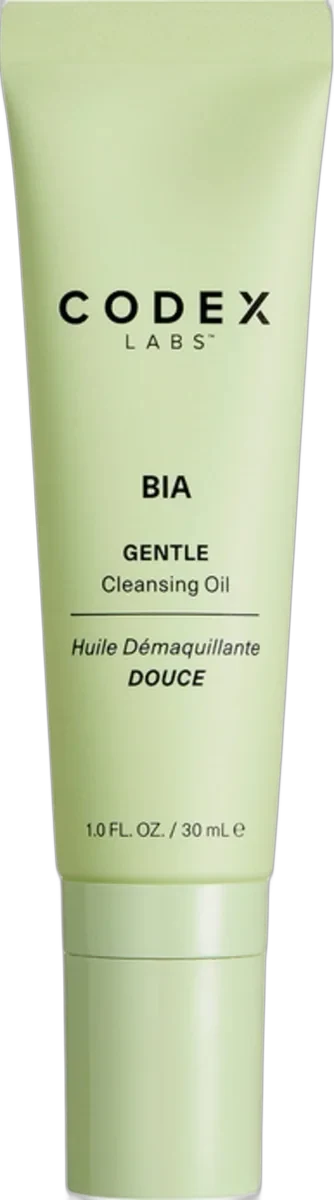
BIA Wash Off Cleansing Oil
Clean Botanical Cleansing Oil
 Verified reviewer
Pros & cons.
- +Short, clean ingredient list with only 16 components
- +Substantial borage oil dose provides genuine barrier support
- +Linoleic-acid-rich oil base is tolerated well by acne-prone skin
- +Fragrance-free aside from subtle natural oil notes
- +Emulsifies and rinses cleanly with water
- +Vegan, cruelty-free, and Leaping Bunny certified
- −Expensive compared to Japanese cleansing oil standards
- −Leaves subtle lipid residue that oily skin may find uncomfortable
- −Doesn't rinse as completely as synthetic-emulsifier cleansers
- −Cedar oil scent may not suit users who prefer unscented cleansers
The full review.
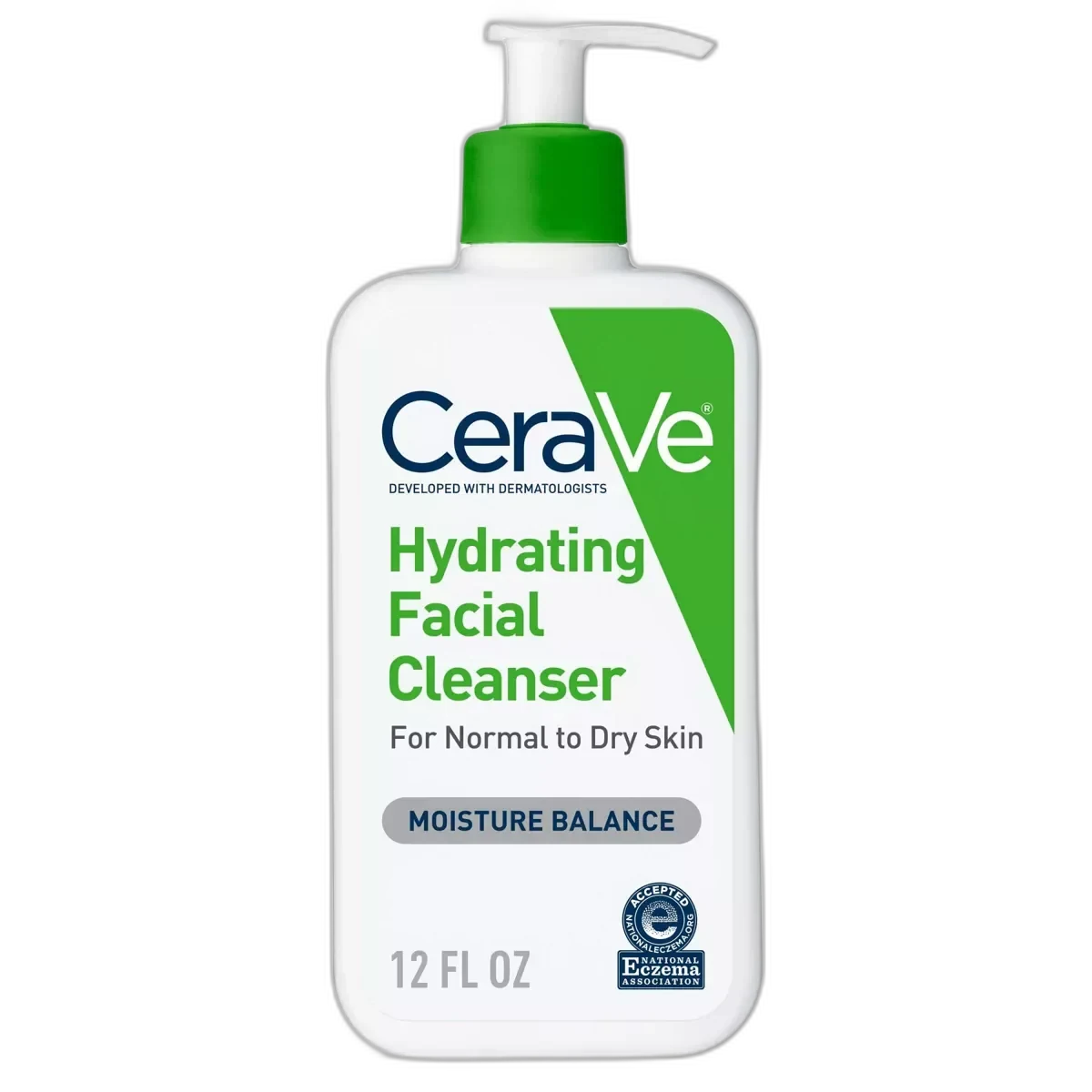
Cleansing oils are unglamorous. You pay for a product that stays on your face for ninety seconds before going down the drain. Most brands use cheap ester oils, a synthetic emulsifier, and fragrance to mimic a premium experience. These cleansers remove makeup efficiently but leave no residue or benefit. Codex’s Bia cleansing oil works differently. It uses the ninety seconds of facial massage to deliver lipids your barrier needs. The base blends cold-pressed sunflower, evening primrose, borage, plum, and black currant seed oils. These are all linoleic-acid-rich and chosen for barrier-repair rather than cleansing efficiency. The single emulsifier is plant-derived polyglyceryl-4 oleate; it creates a milky emulsification with water but does not strip the lipid layer as aggressively as petroleum-derived alternatives. The list is short with sixteen ingredients total. It has no synthetic fragrance, no preservative cocktail, and no marketing fillers. The experience matches the formula. Pump two or three presses into dry palms, warm it, and massage onto dry skin. The oil glides smoothly and dissolves SPF and makeup, including waterproof mascara, within thirty seconds of gentle massage—keep your eyes closed during use. Water triggers emulsification, turning the oil pale milky white as it lifts from the skin. Rinsing differs from what DHC Deep Cleansing Oil or Shu Uemura’s signature oils users expect. It does not rinse completely clean. It leaves a subtle lipid softness on the skin by design; the formula leaves barrier-supporting oils behind instead of stripping them. This residual comfort suits dry, sensitive, or eczema-prone skin. Oily or acne-prone skin may feel the cleanse is incomplete, so those users might prefer a gentle second cleanser. The borage oil dose is the key detail. Borage is a top natural source of gamma-linolenic acid, an omega-6 fatty acid linked to barrier repair in compromised skin. Most cleansing oils skip borage because it is expensive and brief contact seems redundant. Codex argues—defensibly—that consistent nightly exposure to barrier-supportive lipids adds up over time. Eczema-prone skin users often report calmer skin after a few weeks, which matches the formulation. The value is less impressive. At $36 for 150ml, it costs roughly three times the price of DHC Deep Cleansing Oil and about double most Western drugstore cleansing oils. The cold-pressed botanical oils and clean-beauty positioning justify some of this premium, but budget-conscious shoppers seeking a sensitive-skin cleansing oil can find cheaper, nearly equal alternatives. CeraVe’s Hydrating Oil Cleanser costs roughly a third as much and offers barrier support, though it lacks the botanical provenance and short ingredient list of Codex. The verdict: this is a thoughtful, well-formulated cleansing oil for dry, sensitive, or compromised-skin routines. It is not the cheapest or fastest-rinsing option, but it treats cleansing as a chance to support the skin barrier rather than just clean it. For users who value that approach, it is one of the better cleansing oils in the clean-beauty category.
Ingredient analysis.
Full INCI list
Helianthus Annuus (Sunflower) Seed Oil, Oenothera Biennis (Evening Primrose) Oil, Borago Officinalis (Borage) Seed Oil, Prunus Domestica (Plum) Seed Oil, Polyglyceryl-4 Oleate, Calendula Officinalis Flower Extract, Pentylene Glycol, Ribes Nigrum (Black Currant) Seed Oil, Tocopherol, Caprylic/Capric Triglyceride, Glycerin, Cedrus Deodara Wood Oil, Aqua/Water, Sucrose Laurate, Vanilla Planifolia Fruit Extract, Sucrose Stearate
Skin match.
The science.
The Science
This formulation works because linoleic-acid-rich plant oils support skin barrier function. Sunflower, evening primrose, borage, and black currant seed oils contain high levels of linoleic acid or gamma-linolenic acid. Peer-reviewed dermatological research shows topical linoleic acid application improves transepidermal water loss measurements and supports stratum corneum integrity in compromised skin. Studies on Borage seed oil focus on its gamma-linolenic acid content for atopic dermatitis, examining both oral and topical uses. While clinical evidence favors oral borage oil for eczema-prone populations, topical application follows established literature on fatty acid supplementation of the skin barrier. The cleansing mechanism uses oil-based dissolution to remove sebum, makeup, and SPF residues—a standard physical process in cosmetic chemistry. The polyglyceryl-4 oleate emulsifier creates an oil-to-milk transition when water is added, so the formulation rinses away without a heavy greasy residue. The lack of synthetic fragrance, essential oils (except a minor cedar component), and aggressive preservatives is the formulation's main safety feature for sensitive skin. Codex's in-house clinical testing on the Bia line reported improved barrier function metrics after consistent use, though these results are consumer studies rather than independent peer-reviewed trials. The ingredient architecture supports the gentle-cleansing positioning even without proprietary clinical validation.
Dermatologist Perspective
Dermatologists often recommend cleansing oils as a first step for patients with dry, sensitive, or compromised skin—especially those using sunscreen and mineral makeup that traditional gel cleansers struggle to remove without stripping the barrier. Board-certified dermatologists note that cleansing oils using linoleic-acid-rich botanical bases are generally well-tolerated by acne-prone patients, despite the myth that all oils cause breakouts. The borage oil and evening primrose oil in this formulation align with dermatological recommendations for eczema or atopic dermatitis patients, though dermatologists note topical fatty acid delivery supports rather than treats the condition. For users seeking a fragrance-free, clean-formulation cleansing oil with a short ingredient list and clear barrier-support rationale, this product is a reasonable option, though cost-conscious patients often choose drugstore alternatives with similar fundamental benefits.
Where it fits in your routine.
Pump two to three presses into dry palms and warm them. Massage onto dry skin for 30-60 seconds, covering the entire face and eye area with eyes closed. Add a small amount of warm water to your face and massage to trigger milky emulsification, then rinse thoroughly with warm water. Use a gentle water-based cleanser after if you remove heavy long-wear makeup or mineral SPF. Use once daily in the evening; skip morning use unless you have a specific reason.
At $36 for 150ml, this cleansing oil costs more than most in its category. The price reflects the cold-pressed botanical oil blend, high borage oil content, Codex's clean-beauty positioning, and the fragrance-free formulation. Users who value these specific attributes justify the cost. For those prioritizing cost-per-use, DHC Deep Cleansing Oil costs about a third as much and cleans effectively, while CeraVe's Hydrating Oil Cleanser provides barrier support at roughly half the price without the botanical story. Codex also sells a 30ml size for travel or trial. The verdict: worth the premium for clean-beauty shoppers and users with compromised skin who benefit from borage oil; overkill for routine makeup removal if your skin is otherwise healthy.
Dry, sensitive, eczema-prone, or compromised skin types can use this cleansing oil to support the skin barrier. It works well for daily SPF and light makeup removal without disrupting the lipid layer. This fits clean-beauty shoppers who want short ingredient lists and botanical sourcing.
Oily or very acne-prone skin types may find this cleanser leaves too much residue. Use lighter cleansing waters or gel cleansers instead. Skip this if you are budget-conscious; DHC, The Face Shop, or Muji offer cheaper, competent cleansing oils. Skip this if you prefer a squeaky-clean finish, as this formulation leaves barrier lipids behind.
Product details.
Light golden oil feels slippery on application and turns milky-white when water is added
Soft earthy-woody note from cedar and subtle almond from plum seed oil
Glass bottle with plastic pump dispenser
Press two to three pumps into dry palms, warm between hands, and massage onto a dry face. The oil glides easily and dissolves makeup within thirty seconds of massage. Adding water triggers emulsification; the oil turns milky and rinses away, though not as completely as synthetic-emulsifier cleansers. Expect a slight lipid residue instead of a squeaky-clean feel.
About 3 months with once-daily PM use
12 months
All Year
The backstory.
Codex launched the Bia line in 2019 as its dedicated range for dry, sensitive, and eczema-prone skin, and the cleansing oil was reformulated to a 2.0 version in 2024 to improve emulsification and streamline the ingredient list. The Bia name comes from the Celtic word for vitality, fitting the brand's clean-beauty and sustainable-sourcing positioning.
About Codex Labs
Emerging Brand (2–5 years)Stanford-trained engineer Barbara Paldus founded Codex Labs (formerly Codex Beauty Labs) in 2018 to bring scientific rigor to clean beauty. The brand uses in-house clinical and microbiome testing, but independent peer-reviewed validation of its proprietary botanical complexes remains limited.
Common myths.
All cleansing oils break out acne-prone skin.
This formula uses mostly linoleic-acid-rich oils (sunflower, evening primrose, borage). This fatty acid profile has a lower comedogenic risk. Acne-prone skin often has linoleic acid deficient sebum, so linoleic-rich cleansing oils work well. Individual responses vary; patch test before use.
A cleansing oil rinses clean without leaving residue.
Plant-emulsifier cleansing oils leave a subtle lipid residue that benefits dry or compromised skin. For a squeaky-clean finish, use a different cleanser format — gel, foam, or traditional surfactant cleanser. This oil leaves barrier-supporting lipids behind.
FAQ.
How does this compare to DHC Deep Cleansing Oil?
DHC uses olive oil as its base with synthetic emulsifiers that rinse more completely, while Codex uses a botanical cold-pressed oil blend with a plant-derived emulsifier. DHC is cheaper and rinses cleaner; Codex is gentler, more barrier-supportive, and feels less stripped. Choose based on whether you prioritize complete rinse-off or lipid retention.
Can I use this on eye makeup?
Yes — the oil dissolves even waterproof mascara. Keep your eyes closed during the massage so the cedar oil does not cause irritation. Rinse thoroughly with water.
Is this a sufficient standalone cleanser or do I need to double cleanse?
This alone cleanses most users' skin in the evening. If you wear heavy long-wear makeup or mineral SPF with iron oxide colorants, follow with a gentle water-based cleanser to clear all residue.
Is this safe for eczema-prone skin?
Yes — the borage oil and linoleic-acid-rich base support eczema-prone skin. The formulation is fragrance-free, though it has subtle natural oil notes. The cedar oil concentration is very low, but patch test first if you have active eczema.
Will this clog my pores?
The oils in this formula are mostly non-comedogenic and linoleic-acid-rich, a profile linked to lower breakout risk. Acne-prone skin tolerates this better than most cleansing oils, though individual responses vary.
Why does it have cedar wood oil?
Cedar adds a mild earthy-woody scent and has traditional antimicrobial positioning, but the low concentration sits near the end of the ingredient list. It affects the sensory experience rather than acting as a key functional active.
What the community says.
"Gentle on sensitive skin"
"Effectively removes SPF and makeup"
"No stripping or tight feeling"
"Pleasant natural scent"
"Short clean ingredient list"
"Expensive compared to Japanese cleansing oils"
"Doesn't emulsify as fully as synthetic-emulsifier cleansers"
"Can leave slight residue on very oily skin"
"Cedar oil scent too earthy for some users"
Featured in.
People also looked at.