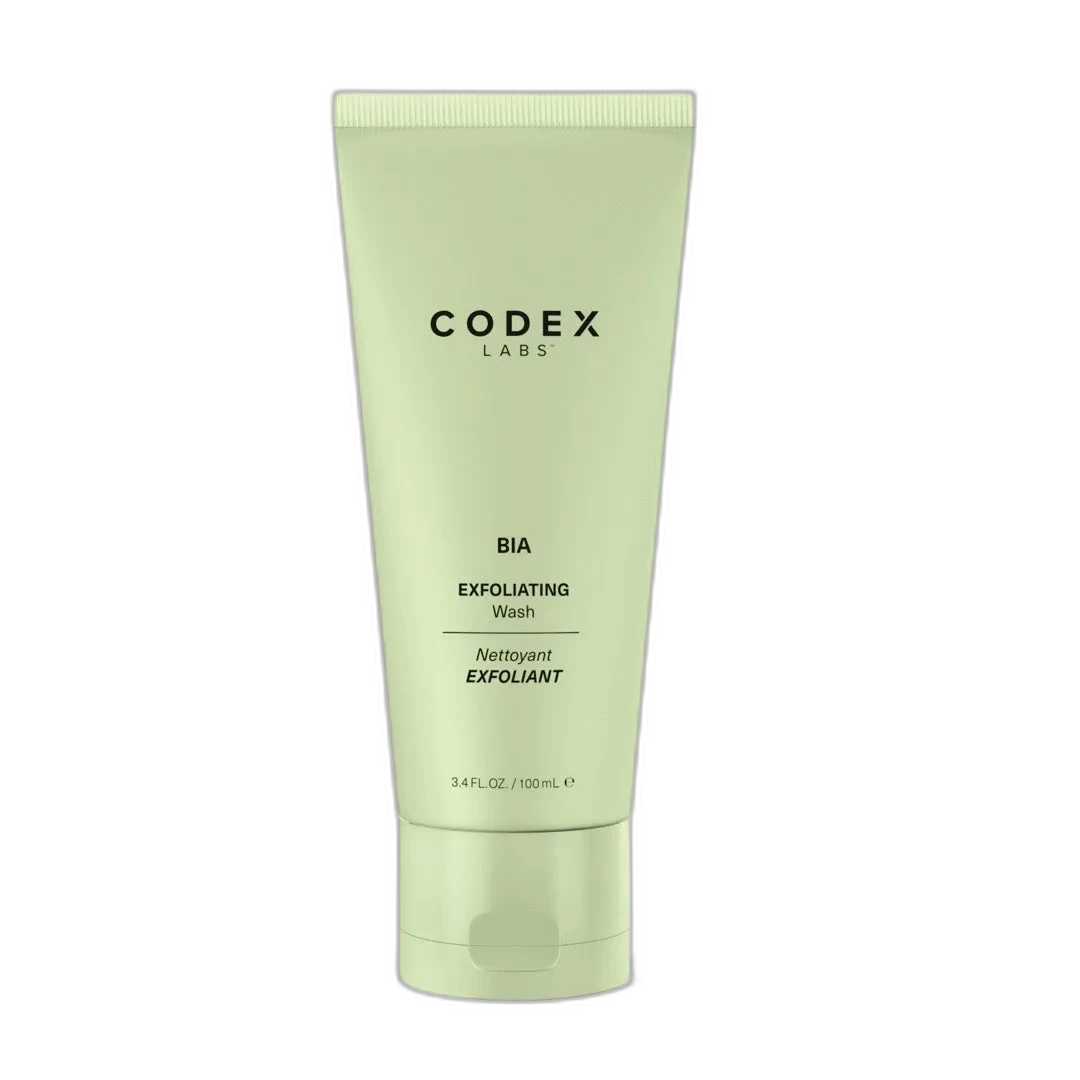
Bia Exfoliating Wash
Biotech Clean Exfoliator
 Verified reviewer
Pros & cons.
- +Three-acid system (salicylic, lactic, glycolic) at formulation pH 4.5
- +Biotech botanical actives including Acmella oleracea and Cassia alata
- +Calming base (centella, oat, green tea) offsets acid irritation potential
- +Gentle glucoside-betaine surfactant system avoids stripping
- +Published finished-product clinical testing — unusual for clean beauty
- +Visible pore and texture improvement within 2-4 weeks
- −Premium pricing well above comparable acid cleansers
- −Fragrance complex limits use for reactive skin
- −Three-acid system not suitable for sensitive, rosacea, or eczema
- −Not pregnancy-safe due to salicylic acid content
- −Contact time limits cleanser-format acid efficacy versus leave-on
The full review.
Clean beauty has a credibility problem. Most brands market via exclusion—free from parabens, sulfates, silicones, synthetic fragrance, or other rotating lists of “chemicals.” Few show clinical data proving the finished product works. This frustrates users who want the clean beauty ethos without sacrificing efficacy. Codex Labs addresses this tension. Founded in 2018 in California by biotech and pharma researchers, the company publishes finished-product clinical testing on its formulations—an unusual move for an indie clean beauty brand. The Bia Exfoliating Wash belongs to the brand’s hydration and gentle exfoliation franchise and uses more ambitious ingredients than most cleansers at this price. The acid stack stands out. It uses salicylic acid for intra-follicular exfoliation, lactic acid for surface hydration-supportive AHA action, and glycolic acid for deeper surface exfoliation. Three acids in one cleanser at a pH of about 4.5 makes the wash active during its 30-60 second contact time. It is less active than a leave-on acid treatment, but more effective than a single-acid cleanser or a physical scrub. The surfactant system uses sodium cocoyl isethionate, cocamidopropyl betaine, and decyl/coco glucoside to cleanse gently without the barrier disruption of harsher anionic surfactants. High glycerin levels near the top of the list prevent a stripping feel after rinsing. The biotech layer distinguishes Codex Labs from other clean exfoliating cleansers. Acmella oleracea flower extract—also called jambu, toothache plant, or spilanthes—is a plant extract studied for its mild tingling and calming effects; cosmetic chemistry evidence suggests it can modulate nerve signalling to reduce perceived irritation. Cassia alata leaf extract adds anti-inflammatory botanical support. Centella asiatica, oat extract, and green tea leaf extract complete the calming toolkit. This layer allows the three-acid formulation to sit on most skin without the stinging that would limit daily use. In practice, the wash feels more like a gentle gel cleanser than an acid treatment. It lathers lightly into a soft low-foam that spreads easily and rinses clean. There is no tingling, stinging, or squeaky-tight afterfeel. Skin feels smoother after the first rinse and visibly smoother after about a week of consistent evening use. Pore appearance around the nose and chin improves within two to three weeks, and texture becomes more refined by the four-to-six week mark. For users with persistent surface dullness, mild acne, blackheads, or general congestion, the effect justifies the price. The price and skin-type fit are the main limitations. At $32 for 100ml, this is premium pricing. It costs about double a comparable acid cleanser from a clinical brand and significantly more than drugstore options like The Ordinary’s glycolic toner (which is a leave-on, not a cleanser). The premium is defensible for buyers committed to clean beauty and biotech botanicals. For those seeking only acid exfoliation, it is not the best value. The light fragrance complex may bother fragrance-allergic users. The three-acid system makes this a poor match for sensitive, rosacea, eczema, or barrier-compromised skin, even if calming botanicals offset the acid load for most. Pregnancy users should skip it due to salicylic acid content. Codex Labs is one of the few clean beauty brands investing in clinical validation, and The Bia Exfoliating Wash reflects that formulation depth. It is not a perfect cleanser, but it is a thoughtful one for its target users. If clean beauty matters and you want an exfoliating cleanser with substance, Bia is a strong choice. If you prioritize cost and efficacy over clean beauty, cheaper alternatives do similar mechanical work for less money.
Ingredient analysis.
Full INCI list · pH 4.5
Aqua/Water, Glycerin, Sodium Cocoyl Isethionate, Cocamidopropyl Betaine, Decyl Glucoside, Coco-Glucoside, Sorbitol, Caprylyl/Capryl Glucoside, Salicylic Acid, Sodium Lauroyl Lactylate, Xanthan Gum, Lactic Acid, Glycolic Acid, Acmella Oleracea Flower Extract, Echium Plantagineum Seed Oil, Plukenetia Volubilis Seed Oil, Centella Asiatica Extract, Avena Sativa (Oat) Kernel Extract, Cassia Alata Leaf Extract, Camellia Sinensis Leaf Extract, Sodium Benzoate, Potassium Sorbate, Citric Acid, Phenethyl Alcohol, Caprylyl Glycol, Ethylhexylglycerin, Parfum/Fragrance.
Skin match.
The science.
The Science
The science of cleanser-format acid exfoliation is often dismissed as marketing fluff — the argument being that short contact time undermines any real acid action — but the underlying biology is more nuanced. At a formulation pH near the acid's pKa, the active non-dissociated form of the acid is present in sufficient concentration to begin disrupting corneocyte adhesion even within 30-60 seconds of contact. Salicylic acid (pKa 2.97) is particularly effective in this context because its lipophilic nature lets it associate with follicular lipids rather than washing off purely with water. Glycolic acid (pKa 3.83) and lactic acid (pKa 3.86) provide supporting surface exfoliation. Multiple published cosmetic chemistry papers support the concept of functional acid cleansers, though the finished-product efficacy is obviously lower than leave-on treatments. Where Codex's formulation gets interesting scientifically is the Acmella oleracea inclusion. The plant contains spilanthol, an N-alkylamide compound that has been studied for transient tingling and mild neuromodulation effects, and some in vitro work suggests it can reduce perceived skin irritation signalling. The evidence base is still emerging — not at the level of niacinamide or retinol — but the mechanism is plausible and the inclusion in an acid cleanser is formulation-logical. Cassia alata has a longer history in traditional botanical medicine for anti-inflammatory and antifungal uses, though rigorous clinical trial data specific to topical skin application is limited. Centella asiatica, oat extract, and green tea polyphenols have strong supporting evidence individually. The overall formulation stacks well-characterized acids with a calming botanical complex in a gentle surfactant base — a formulation logic that makes scientific sense even before you get to the brand's claim of published clinical testing on the finished product.
Dermatologist Perspective
Dermatologists generally view acid-based exfoliating cleansers as useful adjuncts rather than primary treatments. Board-certified dermatologists note that cleanser-format acids can provide meaningful supplementary exfoliation for patients with persistent surface dullness, mild comedonal acne, or blackhead-prone skin, but they shouldn't replace leave-on actives in a treatment routine. For reactive skin, rosacea, or eczema, a gentler cleanser is usually preferred, and dermatologists would not typically recommend a three-acid formulation for those patients. The Codex brand's investment in clinical testing of its finished formulations is positively regarded in the broader dermatology community as a step toward more accountable clean beauty, though individual product recommendations still depend on the specific patient and use case.
Guidance
Where it fits in your routine.
Wet your face with lukewarm water. Put a small amount (about the size of a large pea) into your palms. Add a bit of water, work into a light lather, and massage onto your face for 30-60 seconds. Target the T-zone and congestion-prone areas. Rinse well with cool or lukewarm water. Apply a hydrating toner, treatment serum, and moisturizer next. Use once daily (evening preferred) to improve tolerability. You can alternate with a gentler cleanser in the morning.
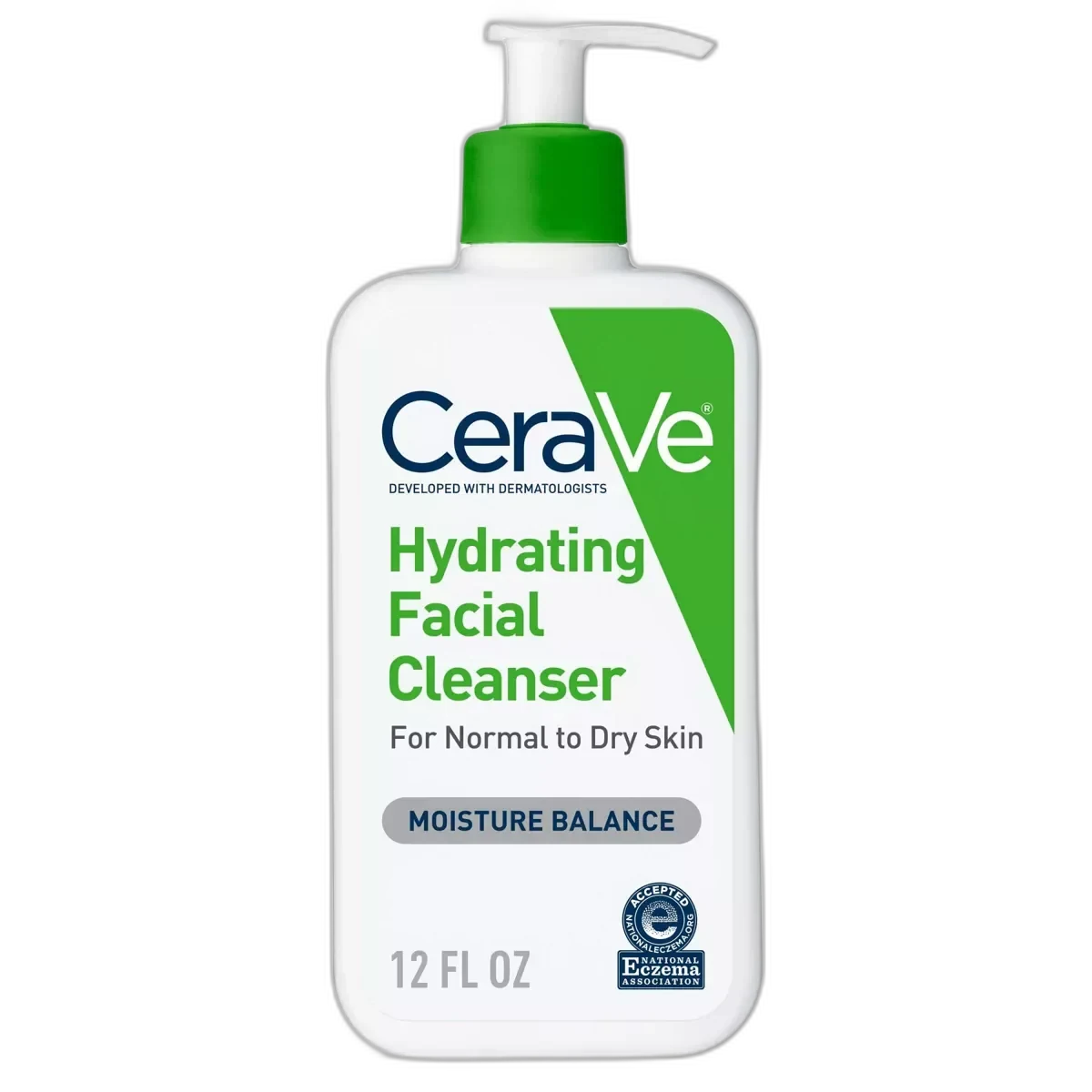
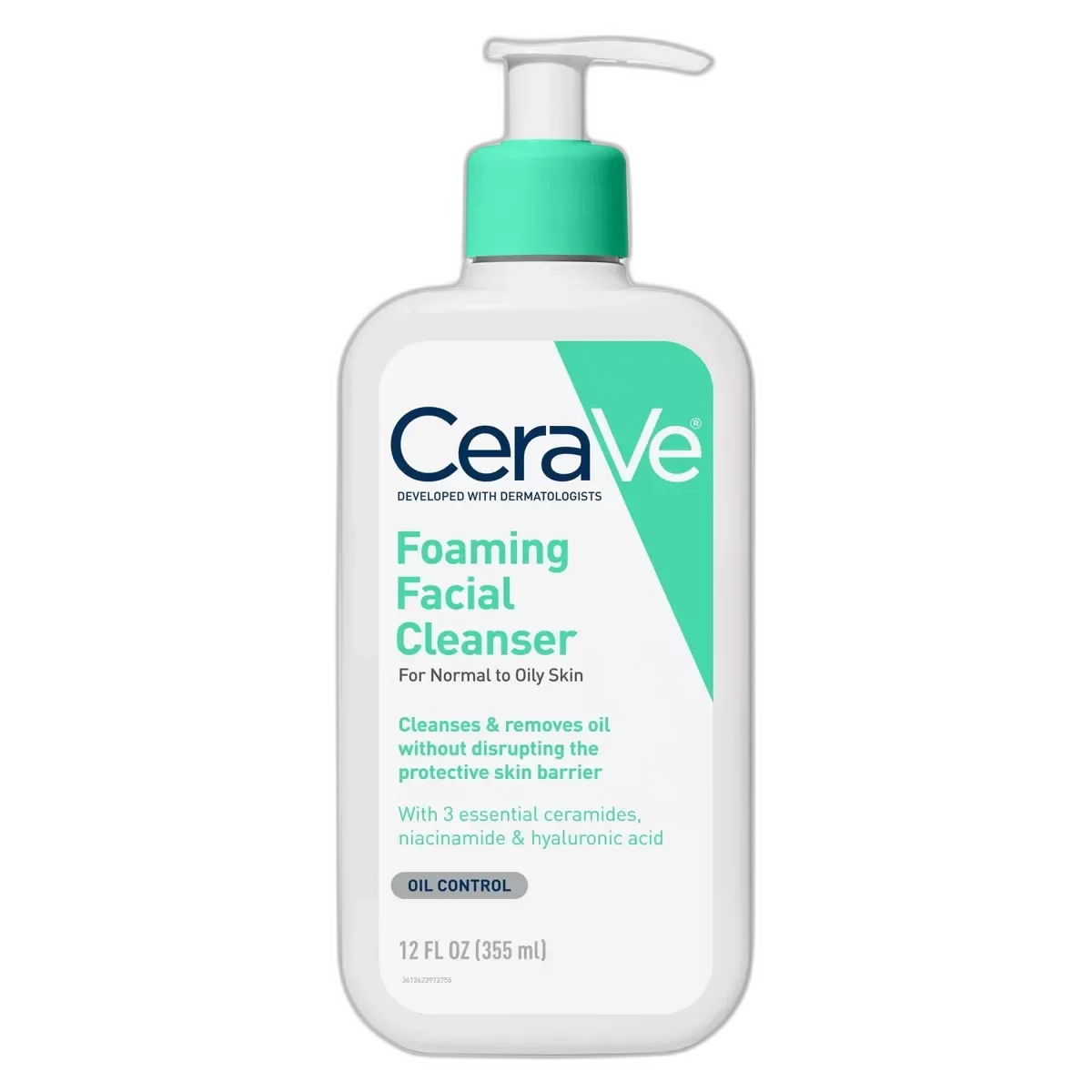
At $32 for 100ml, Codex Bia Exfoliating Wash costs much more than most acid cleansers. It is about double the price of CeraVe SA Cleanser, Paula's Choice exfoliating cleansers, or drugstore alternatives. Biotech botanical content, clean beauty positioning, and brand-published clinical validation justify the price, but some buyers may not find it worthwhile. Codex Bia Exfoliating Wash is a reasonable choice for users prioritizing clean beauty or biotech-forward formulas. Users optimizing purely on cost-per-use get similar mechanical results from cheaper options.
Users with oily, combination, or normal skin want a clean-beauty-aligned exfoliating cleanser with biotech credentials and real formulation substance. It works well for those with mild acne, blackheads, or texture concerns who want acid support without adding a leave-on active to their routine. It also suits users who value brand investment in published clinical testing.
Skip this cleanser if you have sensitive, rosacea, eczema, or barrier-compromised skin; choose a gentler alternative instead. Pregnant users should avoid this due to salicylic acid. Budget-focused buyers can find equivalent acid cleanser performance at lower prices elsewhere.
Product details.
Clear gel that lathers lightly with water into a soft low-foam wash.
Herbal-botanical with a subtle floral note.
Aluminum tube with flip cap.
The first use feels like a gentle gel cleanser, not an acid treatment. It causes no tingling or stripping; skin feels smooth and slightly tight after rinsing. Skin may adjust to regular acid exfoliation with dryness in the first week.
About 6-8 weeks with once-daily evening use.
12 months
All Year
The backstory.
Codex Labs launched the Bia line as the brand's hydration and gentle-exfoliation franchise, built around clinically tested biotech botanical actives. The brand has published finished-product clinical data — unusual for a small indie — aimed at demonstrating that clean beauty and measurable efficacy can coexist.
About Codex Labs
Emerging Brand (2–5 years)A team of biotech and pharma researchers founded Codex Labs in 2018 in California. The brand focuses on biotech-derived actives and clinical testing of its finished formulations. Codex Labs has published clinical data for several products and sits between clean beauty and clinical skincare.
Common myths.
Exfoliating cleansers fail because users rinse them off too quickly.
Short contact limits results, but at pH 4.5 with three acids, a 30-60 second cleanse provides surface exfoliation over time. A cleanser does not replace a leave-on treatment, but consistent use adds incremental benefit.
FAQ.
Can you use it with retinol?
Yes, but use them on alternate evenings. Using a three-acid cleanser with a retinoid in one routine increases over-exfoliation risk. Alternate actives by night to improve tolerability.
Is this really a clean beauty brand?
Codex markets in the clean beauty category, uses biotech botanical actives, and publishes clinical testing on its finished products. Whether 'clean' matters to you is a separate question, but the brand has more formulation substance than most clean beauty labels.
Does it replace a BHA serum?
No. A cleanser's contact time is too short to replace a leave-on BHA treatment. Use this as a supplementary exfoliating step instead of your main active. It works best alongside a proper BHA or retinoid routine, not as a standalone.
Will it sting?
Calming botanical additions prevent stinging for most users, though acids cause mild tingling for some sensitive skin. If stinging occurs, use the product every other day or skip it.
What the community says.
"visible pore improvement"
"doesn't strip skin"
"pleasant gel texture"
"fits clean beauty preferences"
"expensive for a cleanser"
"fragrance"
"not ideal for sensitive skin"
People also looked at.