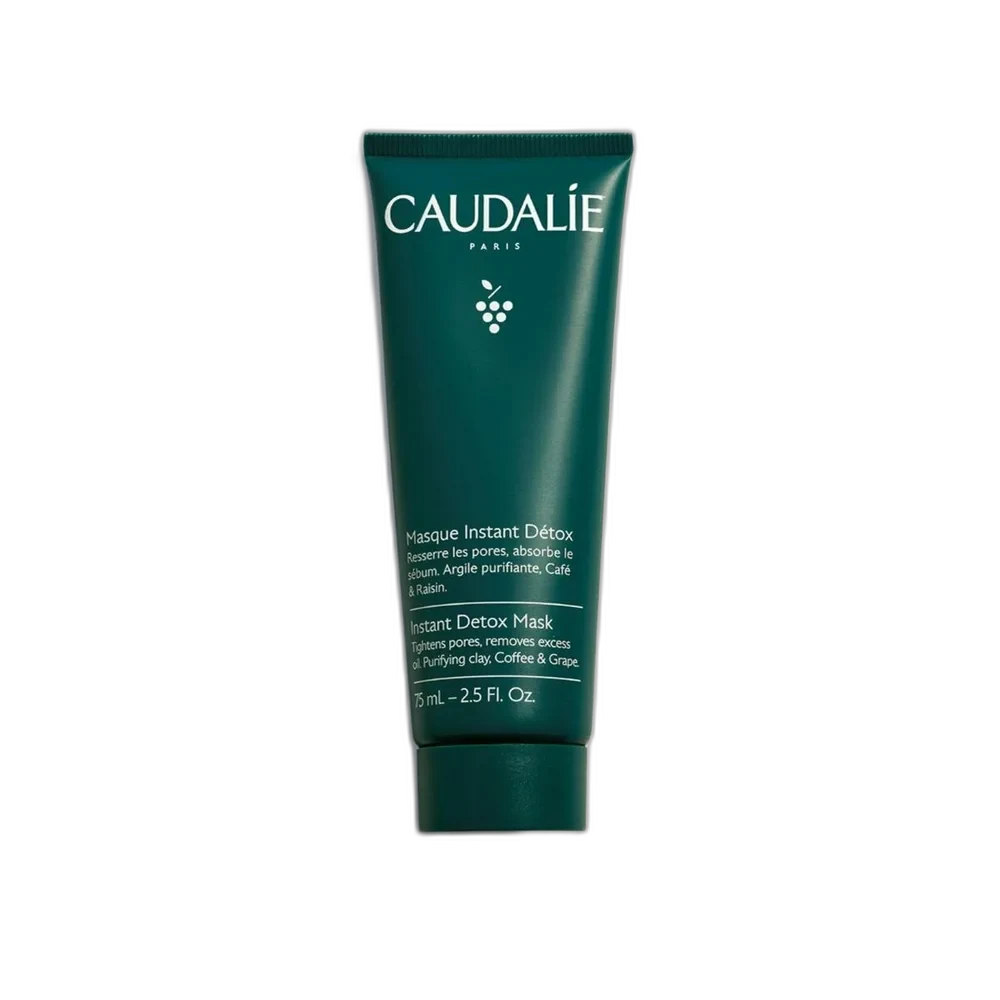
Instant Detox Mask
Gentle Clay Mask
 Verified reviewer
Pros & cons.
- +Kaolin and pink clay combination delivers real oil absorption without aggressive tightening
- +Papain adds a gentle enzymatic exfoliation layer
- +Creamy base spreads smoothly and rinses cleanly
- +Ten-minute wear time is genuinely comfortable
- +Visible decongestion and smoother texture with consistent weekly use
- +Cruelty-free and vegan
- +Pregnancy safe
- −Expensive compared to drugstore clay masks
- −Added fragrance with linalool and limonene allergens
- −Enzymatic content means no same-night retinoid use
- −Grape extract marketing angle is thin on rinse-off evidence
- −75ml tube can feel small for the price at regular use
The full review.
Traditional green clay masks follow a predictable cycle: apply the mask, wait ten minutes while it cracks and tightens your face into an uncomfortable shell, then spend ten minutes rinsing dried concrete from your eyebrows and hairline. These masks work, but they feel miserable. Caudalie’s Instant Detox Mask aims to solve this, providing clay-mask results without the discomfort.
The formulation base is the key. Instead of using bentonite or French green clay for aggressive oil absorption, Caudalie uses kaolin and pink clay—two gentler clays—in a cream base with butylene glycol, glycerin, and a soft cetearyl alcohol emulsion. Papain adds mild enzymatic exfoliation. The mask spreads like a thick cream rather than a thin paste, does not crack or tighten visibly, and rinses off with warm water. The ten-minute wait is comfortable. A mask you enjoy using leads to the consistency required for visible benefits.
The skin effects match the clay and enzyme combination. Oily and combination skin looks clearer and less congested after one use. The kaolin and pink clay absorb surface sebum, while papain loosens dead cell buildup around pores. The skin feels smooth and refined after rinsing without feeling stripped. With weekly or twice-weekly use over several weeks, users report fewer blackheads on the nose and chin, smoother forehead texture, and a brighter surface from exfoliation. It does not transform hormonal cystic acne or fix deep hyperpigmentation, but it is a good weekly decongestion step.
The formulation has specific details. Grape extract is a Caudalie signature based on grape-polyphenol research, but in a rinse-off mask, it functions more as marketing than a mechanism. The papain content is modest but active; most users list this mask “for use on non-retinoid nights” because combining enzymatic exfoliation with a retinoid causes over-exfoliation. The formula contains fragrance and allergens like linalool and limonene. Fragrance-sensitive users should choose fragrance-free clay masks like Paula’s Choice or Kiehl’s Rare Earth instead.
The texture and sensory experience are strengths. The mask spreads evenly, stays in place without dripping, and rinses off without aggressive scrubbing. It has a fresh herbal-floral scent that fits the Caudalie brand and lacks the mineral earthiness of pure clay masks. For those who find traditional clay masks too harsh, this formulation enables regular weekly use.
Pricing complicates the value. At around forty dollars for 75ml, this costs more than drugstore clay masks and matches other prestige options. Kiehl’s Rare Earth Deep Pore Cleansing Mask is cheaper and offers similar oil absorption. A drugstore kaolin mask from Freeman costs much less and performs basic clay functions, though it lacks the gentle feel and papain. The Caudalie price makes sense if you want a sophisticated feel and already buy prestige skincare, but it is harder to justify based on value alone. For oily and combination skin seeking a well-formulated weekly clay step without discomfort, this is a top prestige option—one where the Caudalie premium reflects formulation sophistication rather than just brand positioning.
Ingredient analysis.
Full INCI list · pH 6
Aqua (Water), Kaolin, Butylene Glycol, Glycerin, Pink Clay, Bentonite, Coco-Caprylate/Caprate, Cetearyl Alcohol, Glyceryl Stearate, Arginine, Papain, Vitis Vinifera (Grape) Seed Oil, Vitis Vinifera (Grape) Juice, Coffea Arabica (Coffee) Seed Extract, Fumaria Officinalis Extract, Inulin, Saccharide Isomerate, Tocopherol, Xanthan Gum, Phenoxyethanol, Chlorphenesin, Parfum (Fragrance), Limonene, Linalool
Skin match.
The science.
The Science
Ingredient-level evidence supports this mask's mechanism. Cosmetic chemistry literature documents Kaolin clay's oil absorption, and dermatology uses it in acne-adjunct care for decades. Pink clay has a similar aluminosilicate structure and oil-absorbing mechanism as Kaolin but is slightly gentler, though less studied alone. Papain, a papaya-derived enzyme, has published support for surface keratolytic activity. It hydrolyses peptide bonds in dead stratum corneum proteins to exfoliate mildly without the pH requirements of chemical acids. Dermatology references cite enzymatic exfoliation as a gentler alternative for users who do not tolerate glycolic or salicylic acid. Grape seed oil and Vitis vinifera extracts have in vitro antioxidant data that supports Caudalie's branding, but this does not translate to a 10-minute rinse-off product. No peer-reviewed clinical trials of this specific formulation exist. This mask is a well-chosen combination of established ingredients rather than a formula-level clinical innovation.
Dermatologist Perspective
Dermatologists view gentle clay-plus-enzyme masks like this as reasonable adjunct products for oily and combination skin. Board-certified dermatologists note that clay masks are neither harmful nor transformative; they offer modest surface-level benefits and work best as weekly or twice-weekly treatments instead of daily steps. The addition of papain provides a gentle exfoliation option for users who do not tolerate salicylic acid. Derms typically recommend fragrance-free clay alternatives to fragrance-sensitive, rosacea-prone, or eczema-prone patients instead of this formulation.
Where it fits in your routine.
Apply a thin, even layer to clean, dry skin once or twice weekly. Avoid the eye area. Leave it on for 10 minutes; do not let it fully dry or crack. Rinse thoroughly with lukewarm water. Use a hydrating serum and moisturiser after. Do not use on the same night as retinoids or additional exfoliating acids. Avoid use if your barrier is currently compromised.
At around $39 for 75ml, this costs as much as prestige clay masks like Kiehl's Rare Earth or Origins Clear Improvement. The value is modest: the higher price buys a more sophisticated formulation and a better wear experience than basic kaolin masks. Users seeking formulation sophistication will find the price fair; users wanting only oil absorption can get similar results from drugstore clay at a quarter of the cost.
Oily and combination skin types seeking a weekly clay mask without tightness or discomfort. Prestige skincare shoppers already using Caudalie. Users with clogged pores and surface texture who cannot tolerate chemical exfoliation.
Dry, sensitive, rosacea-prone, or eczema-prone skin. Fragrance-sensitive users. Anyone seeking a budget clay mask — the price premium is real and drugstore alternatives exist. Users who already get great results from a BHA serum and do not need extra exfoliation.
Product details.
All Year
The backstory.
Caudalie developed the Instant Detox Mask as a gentler alternative to traditional green clay masks that their French pharmacy customers had long complained were too drying. The pink clay inclusion and papain addition were part of a deliberate attempt to modernise the clay mask category for users who wanted the oil-absorbing benefit without the aggressive experience.
About Caudalie
Established Brand (5–20 years)Caudalie has existed for nearly 30 years. It uses grape-polyphenol research from partnerships with Bordeaux pharmacy institutions. The brand's clinical validation is stronger for its resveratrol anti-aging line than for its clay mask products.
Common myths.
Clay masks pull toxins out of your skin.
Clay masks absorb surface oil and particulates during contact time. 'Detox' is marketing; your skin does not store toxins for removal. The benefit is real but narrow: surface decongestion, not systemic cleansing.
FAQ.
How often should I use this?
Use it once or twice weekly. Using it more often strips oily skin and irritates combination or sensitive areas, even with a gentle clay base.
Is it OK for sensitive skin?
It's gentler than most clay masks but it still contains fragrance and papain enzymes. If you have true sensitive or rosacea-prone skin, patch test first and consider fragrance-free alternatives.
Can I use it with retinol?
Don't use them on the same night. The mask contains an enzymatic exfoliant. Layering this with a retinoid causes over-exfoliation for most users. Use the mask on a non-retinoid night.
Does it really help with blackheads?
Somewhat. The clay absorbs surface oil and papain loosens dead cell buildup around pore openings. This improves the visual appearance of blackheads after a few weeks of weekly use. It is an adjunct to a BHA, not a replacement.
Is it safe in pregnancy?
Yes, generally. It lacks salicylic acid, retinoids, and the essential oils commonly restricted during pregnancy. The fragrance content is the only mild caveat.
Why is it so expensive?
Caudalie is a prestige French brand with higher margins than drugstore clay masks. The formulation is more sophisticated than basic clay masks, though not dramatically so—part of the cost covers brand positioning and packaging.
What the community says.
"noticeable reduction in pore congestion"
"gentle for a clay mask"
"smells pleasant"
"expensive for the category"
"added fragrance"
"rinses less cleanly than pure clay masks"
People also looked at.