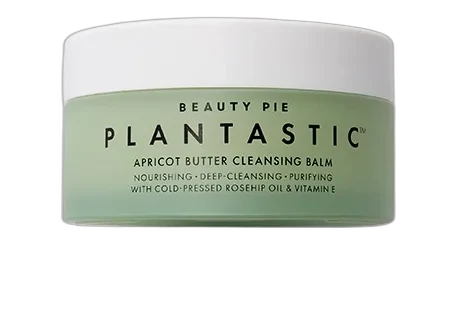
Plantastic Apricot Butter Cleansing Balm
Prestige-Grade Member Pick
 Verified reviewer
Pros & cons.
- +Luxurious melt-in-balm texture that rivals prestige brands
- +Effective at removing long-wear makeup and mineral SPF
- +Lanolin and cocoa butter make it excellent for dry winter skin
- +Emulsifies into a true milk and rinses cleanly
- +Warm apricot scent is pleasant and fades on rinse-off
- +Strong value relative to prestige balms at member pricing
- +Solid glass jar packaging with integrated spatula
- −Contains lanolin, a hard no for some users and strict vegans
- −Parfum rules it out for fragrance-sensitive skin
- −Not suitable for oily or acne-prone combination skin
- −Not fungal-acne safe due to plant oils and esters
- −Full non-member pricing narrows the value advantage
Ingredient analysis.
Full INCI list
Ricinus Communis Seed Oil, Hydrogenated Polydecene, Lanolin, Cetearyl Alcohol, Caprylic/Capric Triglyceride, Diphenylsiloxy Phenyl Trimethicone, Glyceryl Stearate, Ethylhexyl Palmitate, Hydrogenated Castor Oil, Ceteareth-20, Cera Microcristallina, Rhus Verniciflua Peel Cera, Rhus Succedanea Fruit Cera, Rhus Succedanea Fruit Wax, Lauroyl Lysine, Ceteareth-12, Cetyl Palmitate, Prunus Armeniaca Kernel Oil, Theobroma Cacao Seed Butter, Rosa Rubiginosa Seed Oil, Parfum, Hydrogenated Vegetable Oil, Tocopheryl Acetate, Pentaerythrityl Tetra-Di-T-Butyl Hydroxyhydrocinnamate, Ascorbyl Palmitate, Tocopherol, BHT
Skin match.
The science.
The Science
Cosmetic chemistry literature documents castor oil's efficacy as a makeup-removing vehicle because of its high ricinoleic acid content and strong affinity for other lipids. This property explains why castor-oil-based balms have led the professional makeup-removal category since early twentieth-century cold creams, and why prestige balms still use it as a base.
Lanolin is one of the most clinically studied occlusive emollients in dermatology. Decades of research cover lanolin for transepidermal water loss, cracked skin repair, and winter dryness; dermatologists routinely recommend it for everything from chapped lips to eczematous hands. Its reputation as a contact allergen mostly stems from older, less-refined lanolin. Modern pharmaceutical-grade lanolin has a very low sensitisation rate in the general population, though it remains a recognised allergen for a minority of users and dermatologists typically patch-test it when contact dermatitis is suspected.
Rosehip seed oil has a modest evidence base. Its high linoleic acid content supports barrier function and skin feel, and small clinical studies examine its use in post-procedure healing and mild photoaging. The claim that cold-pressed rosehip contains meaningful amounts of 'natural tretinoin' is overstated—trace carotenoids exist, but they do not behave like prescription retinoids topically, and the concentration in a rinse-off balm is not clinically relevant. Rosehip here improves skin feel and adds antioxidant residue.
The apricot kernel oil and cocoa butter components are well-supported emollients with fatty acid profiles that complement the castor and lanolin base. This is not a clinical trial on the finished formula—contract-manufactured cleansing balms rarely have those—but the formulation principles follow textbook dermatological cleansing rather than novel or unproven chemistry.
Dermatologist Perspective
Dermatologists generally view well-made cleansing balms as an excellent first step in a double cleanse for dry, mature, or winter-stressed skin. A lipid-based cleanser removes sebum, oil-soluble pollutants, and waterproof makeup more effectively than a water-based cleanser alone, while leaving the skin's lipid barrier intact. Dermatologists often recommend lanolin-containing balms for patients with compromised dry skin, though they sometimes suggest patch testing for anyone with a history of contact allergies. Board-certified dermatologists typically caution against cleansing balms for acne-prone or fungal-acne-prone patients, as the heavy emollient load can aggravate comedones or feed Malassezia yeast—this balm is not well suited to those cases. For the target audience of dry to normal skin, it is a reasonable evening cleansing step.
Where it fits in your routine.
At the end of the day, scoop a small amount with the integrated spatula (about the size of a grape) onto dry fingertips, warm the balm between your palms, and massage onto dry skin for 30 to 60 seconds, working over the eye area gently to dissolve mascara and SPF. Add a splash of warm water and continue massaging until the balm emulsifies into a milky texture, then rinse thoroughly. Follow with a gentle gel or cream second cleanser to remove any residue, then proceed with your usual evening routine. Use once nightly — it is not needed in the morning.
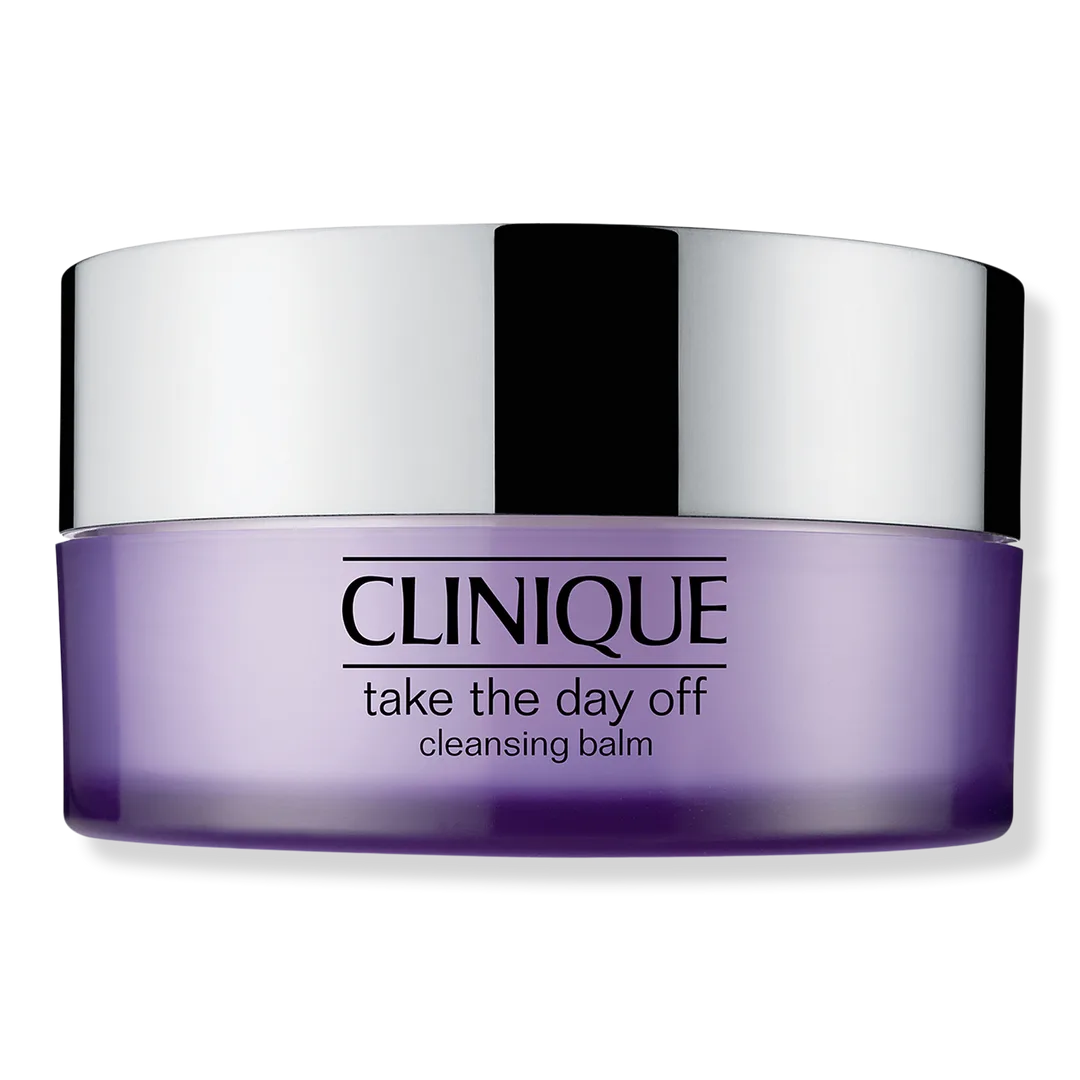
At member pricing, this balm outperforms its cost and ranks among the best-value prestige-adjacent cleansing balms in the UK market. The 50ml jar lasts two to three months with nightly use, and the per-use cost at member pricing is low for the category. The value advantage narrows against Elemis and Clinique Take The Day Off at non-member pricing. The broader Beauty Pie membership is the main factor — if you buy several products across a year, the balm anchors the basket; if you only want this one item, the maths is less convincing.
Dry, normal, and mature skin types seeking a high-quality first-cleanse at a fair price, especially Beauty Pie members or prospective members. It works for anyone wearing heavy makeup or mineral SPF who wants more comfort than a micellar water.
Skip this if you have oily, acne-prone, or fungal-acne-prone skin; the heavy emollient and plant oil load can cause congestion. Avoid it if you have a lanolin allergy, are strictly vegan, or are fragrance-sensitive. Fragrance-free balms work better for reactive skin.
Product details.
Warm, sweet, comforting — apricot and faint confectionery notes
Screw-top glass jar with integrated spatula Finish non-greasyvelvety What to Expect on First Use First use is sensory-led — scoop, warm between fingers, and the balm turns into a slippery oil. This oil lifts mascara and SPF within about thirty seconds. Adding water emulsifies it into a milky cleanser that rinses cleanly. There is no adjustment period; most users feel skin comfort immediately. The apricot scent is obvious upon opening and fades on rinse.
Approximately 2-3 months of nightly use as a first cleanse
12 months
fall winter
The backstory.
Marcia Kilgore founded Beauty Pie in 2016 after years running Bliss Spa and Soap & Glory, with the goal of flattening the markup between contract manufacturer and retail shelf by charging an annual membership fee instead. The Plantastic collection launched in 2019 as the brand's plant-forward range, with this apricot balm as the anchor cleanser — a direct riposte to prestige cleansing balms that had been dominating luxury skincare aisles for years.
About Beauty Pie
Established Brand (5–20 years)Marcia Kilgore (of Bliss Spa and Soap & Glory fame) founded Beauty Pie in 2016. It operates as a membership-based 'buyer's club' for luxury-grade skincare. The brand uses established contract manufacturers that high-end labels use. Beauty Pie does not publish independent clinical studies, but the beauty press widely reviews and respects its formulations.
Common myths.
Cleansing balms with lanolin are too heavy for modern skincare routines.
Lanolin is a well-studied emollient that rinses clean if emulsified properly. In a double-cleanse, this balm works like any other; the lanolin's slow-release emollient effect helps skin feel comfortable after use.
Because it contains rosehip oil, this balm delivers real retinoid benefits.
Marketing often overstates the trace retinoic acid content in Rosehip. A rinse-off cleanser provides no meaningful contact time on skin. The benefits are antioxidant and emollient, not retinoid.
FAQ.
Is Beauty Pie Plantastic Apricot Butter Cleansing Balm worth the membership price?
Members get a formula that competes with prestige cleansing balms priced two to three times higher. At full non-member pricing, the value narrows; decide if the broader Beauty Pie membership fits your needs.
Can I use this cleansing balm as a moisturizer?
No — the formula is designed to be rinsed off. Lanolin and castor oil feel heavy on the skin if left on, and surfactants help the formula emulsify with water. Use it strictly as step one of your cleanse.
Does the cleansing balm remove waterproof makeup and SPF?
Yes, it works reliably. The castor oil base removes long-wear foundation and mineral sunscreens well. Massage onto dry skin for 30-60 seconds, add water slowly, rinse, and use a gentle second cleanser.
Is it safe for acne-prone skin?
Results vary. The balm contains comedogenic ingredients like lanolin, castor oil and cocoa butter. Combination and oily acne-prone users often prefer lighter, gel-based first cleansers, but dry or balanced skin tolerates this formula well.
Is the cleansing balm safe during pregnancy?
Yes — this rinse-off cleanser has no actives that carry pregnancy concerns. Rosehip's trace retinoic acid content is negligible, especially in a wash-off product.
Is it fungal-acne safe?
No — the balm contains multiple esters and plant oils that feed Malassezia yeast. If you have fungal acne, use a pure-oil or oil-free cleanser instead.
How does it compare to Elemis Pro-Collagen Cleansing Balm?
Both balms share similar DNA; both use castor oil and comparable emollients. Beauty Pie's is much cheaper with member pricing and removes makeup as well as Elemis, though Elemis has a longer track record and a more complex botanical blend.
What the community says.
"Luxurious melt-in texture"
"Removes stubborn makeup and SPF easily"
"Leaves skin soft rather than stripped"
"Warm, comforting apricot scent"
"Competes with £60+ prestige balms"
"50ml is small for the price once non-member pricing is considered"
"Parfum bothers sensitive users"
"Lanolin rules it out for some shoppers"
"Not suited to oily or acne-prone skin"
Featured in.
People also looked at.