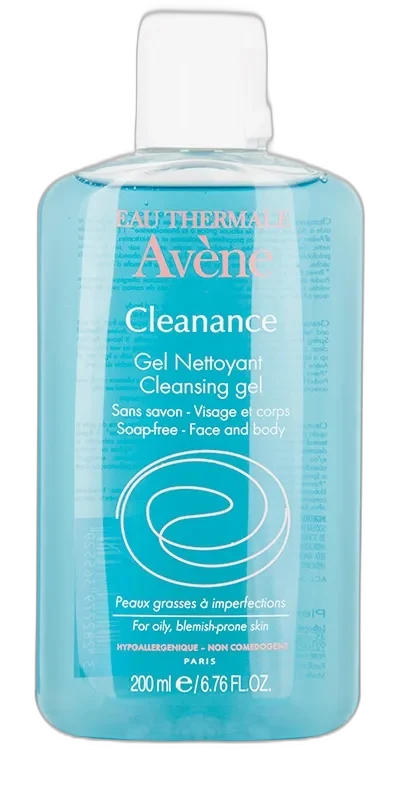
Cleanance Cleansing Gel
Oily Skin Daily Driver
 Verified reviewer
Pros & cons.
- +Patented Comedoclastin complex provides genuine comedolytic activity validated in a 4,230-patient study
- +Zinc-enriched surfactant system cleans effectively without sulfate-level aggression
- +Avène Thermal Spring Water base provides clinically documented anti-inflammatory soothing during cleansing
- +Versatile for both face and body acne — chest, back, and shoulders
- +Noticeably matte finish after rinsing with lasting oil control throughout the day
- +Available in a 400 mL pump bottle for economical body use
- −Contains fragrance and two synthetic dyes — unnecessary irritation risks in a sensitive-skin line
- −pH of 7.2 is above the skin's natural acid mantle range
- −Can feel drying for combination skin types, especially in drier facial zones
- −Light lather may feel insufficient for users accustomed to richer foaming cleansers
- −Higher price point than comparable drugstore gel cleansers
The full review.
The French take a more measured approach to acne than the American skincare market, which historically offered two options: nuclear-strength benzoyl peroxide or gentle-but-useless cleanser water. The Avène Cleanance line has existed for roughly three decades between these extremes, and the 2021 reformulation of the Cleansing Gel shows that philosophy.
The reformulation’s main addition is Comedoclastin — Avène’s patented stabilized extract from Silybum marianum (milk thistle) seeds. This is not a trendy botanical for label appeal. A multicenter international study involving 4,230 patients shows this extract has genuine comedolytic properties, reducing Global Acne Assessment scores by 36% and achieving an 84% clinical success rate over 8-12 weeks. The mechanism is specific: Comedoclastin reduces infundibular keratin expression, addressing the cellular-level process that creates comedones. Most acne cleansers attack symptoms — oil, bacteria, and surface debris. This one targets the pore-clogging machinery.
The surfactant system shows restraint. Zinc coceth sulfate is the primary cleanser — a mild, zinc-based surfactant that cleans effectively and adds a touch of antibacterial zinc. Lauryl betaine and decyl glucoside provide secondary cleansing support; both are gentle surfactant options. There is no sodium lauryl sulfate or aggressive foam-builders that leave skin feeling sanded. The result is a light, weightless lather that cleans without being heavy.
Zinc gluconate rounds out the active strategy, providing anti-inflammatory and antibacterial support that soothes redness rather than exacerbating it. This is where the thermal spring water base works: Avène’s water is the first ingredient, and its clinically documented anti-inflammatory properties create a calming foundation for a formula designed for skin that is oily, broken out, and irritated. The formula handles this difficult balancing act well.
The texture is a transparent gel with a faint green tint from synthetic dyes. On wet skin, it produces a soft, low foam that glides instead of scrubs. The matte finish after rinsing is noticeable. Avène claims a six hours mattifying effect, which is optimistic for a rinse-off product, but oily-skinned users report feeling less greasy through the morning when they use this in their AM routine.
Honesty is necessary here. For a dermatological line designed for sensitive acne-prone skin, the inclusion of fragrance (Parfum) and two synthetic colorants (CI 61570, CI 19140) is puzzling. These additions serve no therapeutic purpose. The fragrance is subtle — a light, fresh, slightly clinical scent that fades quickly — but its presence on the ingredient list may concern anyone whose sensitive skin has reacted to fragranced products. The same applies to the dyes that give the gel its green tint: they are pure aesthetics with zero function and a nonzero risk of irritation.
Isopropyl alcohol also appears on the list, though its position suggests a low concentration, likely acting as a solvent for other ingredients rather than a primary component. Still, for a line marketed to sensitive skin, every potential irritant should earn its place; this feels like a formulation convenience rather than a benefit.
The pH of 7.2 is higher than ideal. The skin’s acid mantle sits around 4.5-5.5, and while a rinse-off product’s pH matters less than a leave-on treatment’s, a lower pH would better match the skin barrier. The gentle surfactant system partially compensates, but following with a pH-balanced toner is wise.
Versatility is a strength. The cleanser works on the face, chest, back, and shoulders — a practical choice since acne rarely stays in one zone. The 400 mL pump bottle option makes body use economical, and the formula rinses cleanly without the residue some gentle cleansers leave on body skin.
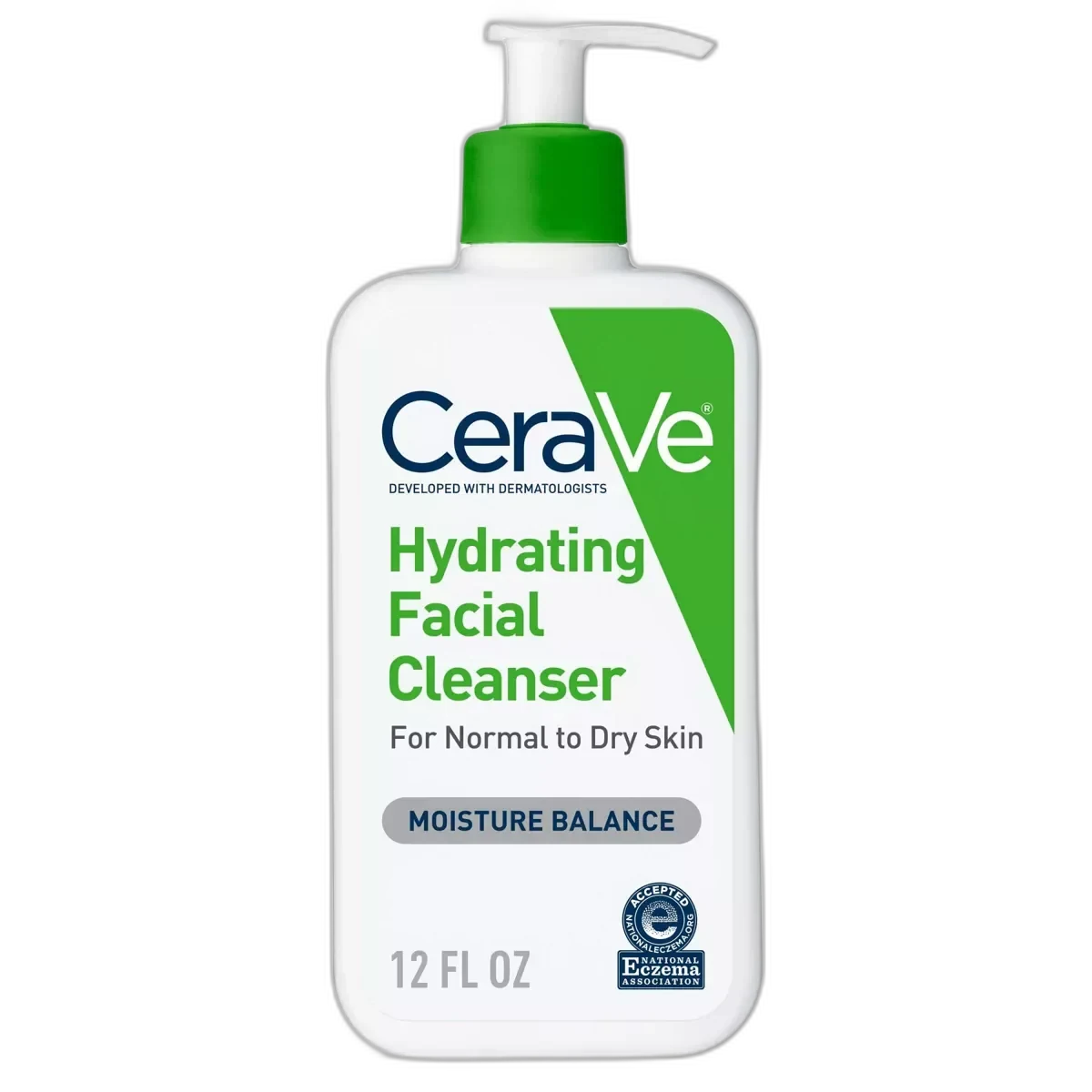
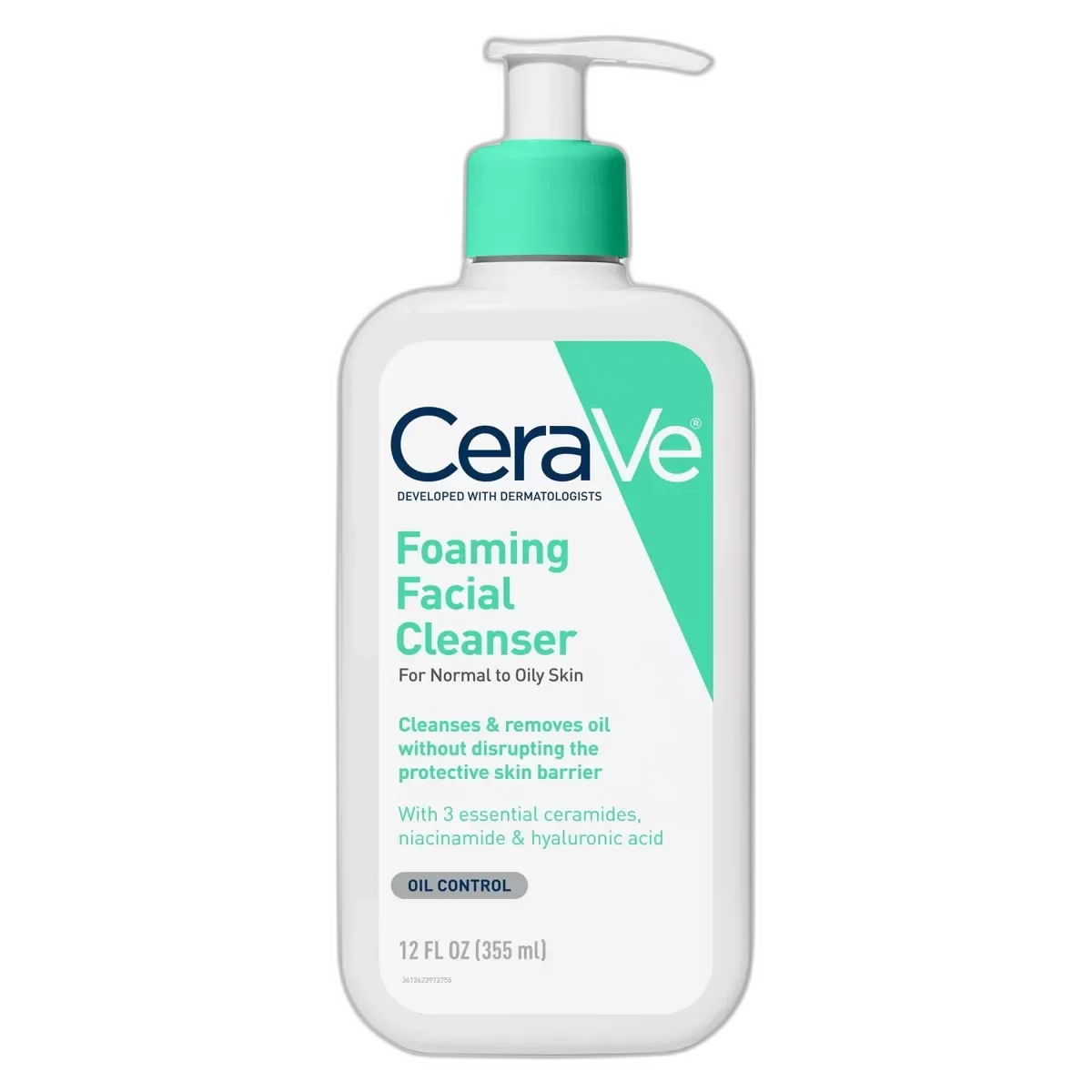
At twenty dollars for the standard tube, the price reflects pharmacy-brand positioning rather than drugstore accessibility. You pay for the thermal spring water base, the patented Comedoclastin complex, and Avène’s clinical heritage. Whether that premium is worth it depends on how much you value the evidence behind the formulation versus the evidence behind a ten-dollar CeraVe bottle.
The Cleanance Cleansing Gel occupies a specific niche: the intersection of oily, acne-prone, and skin that is not tough enough for benzoyl peroxide. It will not perform miracles on cystic acne or clear inflamed lesions on its own. But as a daily cleanser that manages oil, provides genuine comedolytic activity, and does not damage the skin barrier, it shows thirty years of refinement from a brand that understands fighting acne and respecting skin are not mutually exclusive.
Ingredient analysis.
Full INCI list · pH 7.2
Avene Thermal Spring Water (Avene Aqua), Water (Aqua), Zinc Coceth Sulfate, Lauryl Betaine, Decyl Glucoside, Ceteareth-60 Myristyl Glycol, PEG-7 Glyceryl Cocoate, Polysorbate 20, Citric Acid, Fragrance (Parfum), Green 5 (CI 61570), Isopropyl Alcohol, PEG-40 Hydrogenated Castor Oil, PEG-6, PPG-26-Buteth-26, Silybum Marianum Fruit Extract, Sodium Benzoate, Sodium Chloride, Sodium Hydroxide, Trisodium Ethylenediamine Disuccinate, Yellow 5 (CI 19140), Zinc Gluconate
Skin match.
The science.
The Science
The Comedoclastin complex forms the scientific backbone of this cleanser. This patented stabilized extract of Silybum marianum (milk thistle) fruit was evaluated in a multicenter international study of 4,230 patients with mild-to-moderate acne over 8-12 weeks. Results showed a 36% reduction in Global Acne Assessment scores, 80% improvement in quality of life metrics, and an 84% clinical success rate. The mechanism is comedolytic: the extract reduces infundibular keratin expression to target the cellular process that creates the microcomedones underlying most acne lesions.
In a separate 2023 study in the Journal of Cosmetic Dermatology, Kim and colleagues evaluated 0.5% silymarin (the active compound family in milk thistle) serum as an adjunctive acne treatment. The serum significantly decreased acne scores after four weeks, supporting the comedolytic and anti-inflammatory properties of the Silybum marianum family of compounds.
Over 150 publications have studied the Avène Thermal Spring Water base. A 2011 study in JEADV by Merial-Kieny and colleagues showed anti-inflammatory properties, effects on keratinocyte differentiation, and antiradical activity. A 2019 PMC study examined the water's effect on dendritic cell inflammatory responses and found immunomodulatory activity. While these properties work best in leave-on formulations, the thermal water's brief contact during cleansing still provides measurable calming benefits versus a purified water base.
Dermatological literature well-establishes zinc gluconate's role in acne management. Zinc ions provide antibacterial activity against Cutibacterium acnes and anti-inflammatory effects by modulating TLR2 and NF-κB pathways. This cleanser uses dual zinc delivery (zinc gluconate plus zinc coceth sulfate surfactant) to ensure consistent zinc exposure during the cleansing step.
References
- Efficacy and safety of silymarin containing antioxidant serum as an adjuvant treatment of mild-to-moderate acne vulgaris — Journal of Cosmetic Dermatology (2023)
- Avene Thermal Spring Water: an active component with specific properties — Journal of the European Academy of Dermatology and Venereology (2011)
- Effect of thermal spring water on human dendritic cell inflammatory response — PMC (2019)
Dermatologist Perspective
Dermatologists often recommend the Cleanance line for patients managing acne who cannot tolerate aggressive treatments like high-concentration benzoyl peroxide or prescription retinoids. Board-certified dermatologists note the gentle surfactant system makes this cleanser a suitable daily-use product that pairs with prescription acne treatments without increasing irritation. The Comedoclastin complex is a meaningful differentiator; it provides comedolytic activity in a cleanser, so patients get therapeutic benefit from every routine step instead of relying only on leave-on treatments. Dermatologists also value this cleanser for pregnancy acne management because it contains no retinoids or salicylic acid.
Where it fits in your routine.
Wet face and hands with lukewarm water. Dispense a small amount of gel and lather it between palms. Apply to the face in gentle circular motions, avoiding the eye area. Massage for thirty seconds to one minute, then rinse thoroughly. For body acne, apply to wet skin on the chest, back, or shoulders and rinse. Use morning and evening. Follow immediately with a hydrating toner or moisturizer, especially if drier areas feel tight.
At twenty dollars for 200 mL, this cleanser is a mid-range pharmacy brand — more expensive than drugstore staples but cheaper than premium or luxury cleansers. The 400 mL pump bottle at approximately thirty-four dollars has better per-ounce value and works well for both face and body. The price covers Avène's thermal spring water sourcing, the patented Comedoclastin ingredient, and the brand's clinical heritage. For a cleanser with a published clinical program for its key active, the price is fair — though users must decide if the fragrance and dye inclusions change the value for their skin concerns.
Oily and combination skin types with recurring breakouts, blackheads, and excess shine want a daily cleanser that cleans deeper than the surface. It also works for body acne on the chest or back, and for pregnant individuals needing an acne cleanser without retinoids or salicylic acid.
If your skin is dry, dehydrated, or highly reactive to fragrance, this cleanser's mattifying effect and included parfum will feel drying and irritating. Skip this if you prefer a completely clean-label formula — the synthetic dyes and isopropyl alcohol, though at low concentrations, do not align with strict ingredient preferences.
Product details.
The fragrance is light, fresh, and clean—subtle rather than overpowering. Some users call it mildly medicinal-fresh. It is not fragrance-free.
White squeeze tube with a green flip-top cap (200 mL) or white pump bottle (400 mL). The Avène pharmacy-brand design is clean and clinical with green Cleanance line branding. Packaging uses at least 69% recycled materials and has a Green Impact Index rating of B.
The gel spreads easily on wet skin and creates a light, weightless lather. Your skin feels clean and matte after rinsing — and may feel tight if you have drier areas. The fresh scent is faint and fades fast. Oil control starts within the first few days, while blemish improvements build over several weeks.
2-3 months with twice-daily face use; 4-6 weeks if used on face and body
12 months
All Year
The backstory.
The Cleanance line has been Avène's acne-management range for approximately 30 years, making it one of the longest-running pharmacy-grade acne lines in Europe. The 2021 reformulation introduced Comedoclastin — a patented stabilized milk thistle extract that shifted the formula from a straightforward gentle cleanser to one with genuine comedolytic activity. The reformulation was supported by a multinational clinical program involving over 4,000 patients.
About Avène
Established Brand (5–20 years)Laboratoires Pierre Fabre launched Avène in 1990. The Cleanance line for acne-prone skin has a 30-year heritage, and 150+ published studies on Avène Thermal Spring Water back the brand's formulations. The 2021 reformulation added the patented Comedoclastin complex, which a 4,230-patient multicenter study supports.
Common myths.
Gel cleansers do not clean as thoroughly as foaming or scrub-based cleansers.
This gel uses a surfactant system (zinc coceth sulfate, lauryl betaine, decyl glucoside) to remove sebum and impurities via micelle formation. The Comedoclastin complex provides comedolytic activity that physical scrubs cannot match—it targets pore blockages at the keratin level instead of just the skin surface.
Effective acne cleansers contain salicylic acid or benzoyl peroxide.
This formula uses a different approach — it uses a patented milk thistle extract with comedolytic properties and zinc gluconate for anti-inflammatory and antibacterial activity. The 4,230-patient study showed a 36% reduction in acne scores and 84% clinical success. This shows effective acne cleansing works without traditional harsh actives.
FAQ.
Is the Avène Cleanance Cleansing Gel good for sensitive acne-prone skin?
This gel uses mild, sulfate-free surfactants (zinc coceth sulfate, decyl glucoside) and Avène Thermal Spring Water as a base. This makes it gentler than most acne cleansers. It contains fragrance and synthetic dyes, which can irritate sensitive skin. If your skin reacts to fragrance, use a fragrance-free alternative.
Can I use this cleanser on my body for back and chest acne?
Yes — this cleanser works on both face and body. The 400 mL pump bottle is convenient for body use. Apply to wet skin on acne-prone chest, back, and shoulders, lather gently, and rinse thoroughly.
Is the Avène Cleanance Cleansing Gel pregnancy safe?
Avène confirms this product is safe during pregnancy and breastfeeding. It lacks retinoids, salicylic acid, or other pregnancy-contraindicated ingredients. The zinc gluconate and Comedoclastin (milk thistle) actives are safe for pregnancy. Dermatologists often include it in pregnancy-safe acne routines.
Why is the pH of this cleanser 7.2 — isn't that too high?
A pH of 7.2 exceeds the skin's natural acid mantle (4.5-5.5). However, because this rinse-off product has brief skin contact time, this temporary pH elevation has minimal lasting impact on the barrier. The soap-free, gentle surfactant system cleanses without the lipid stripping seen in true soaps, and using a toner or moisturizer after use quickly restores skin pH.
What is Comedoclastin and how does it fight acne?
Comedoclastin is Avène's patented stabilized extract from Silybum marianum (milk thistle) seeds. It has comedolytic properties, which reduces the keratin buildup in pores that causes comedones (blackheads and whiteheads). A multicenter study of 4,230 patients showed a 36% reduction in acne scores and an 84% clinical success rate after 8-12 weeks of use with Cleanance products containing this active.
Community
What the community says.
"Effectively removes oil and dirt without stripping or over-drying"
"Leaves skin feeling refreshed, clean, and matte for hours"
"Gentle enough for sensitive acne-prone skin despite being effective"
"Noticeable reduction in breakouts and blackheads with consistent use"
"Economical — a small amount produces sufficient lather"
"Versatile for face and body acne on chest and back"
"Contains fragrance and synthetic dyes — unnecessary additions for acne-prone skin"
"Can be drying for combination or drier skin types"
"Light lather may feel insufficient compared to richer foaming cleansers"
"Higher pH of 7.2 is above the skin's natural acid mantle range"
"Higher price point than drugstore gel cleansers for a basic formulation"
People also looked at.