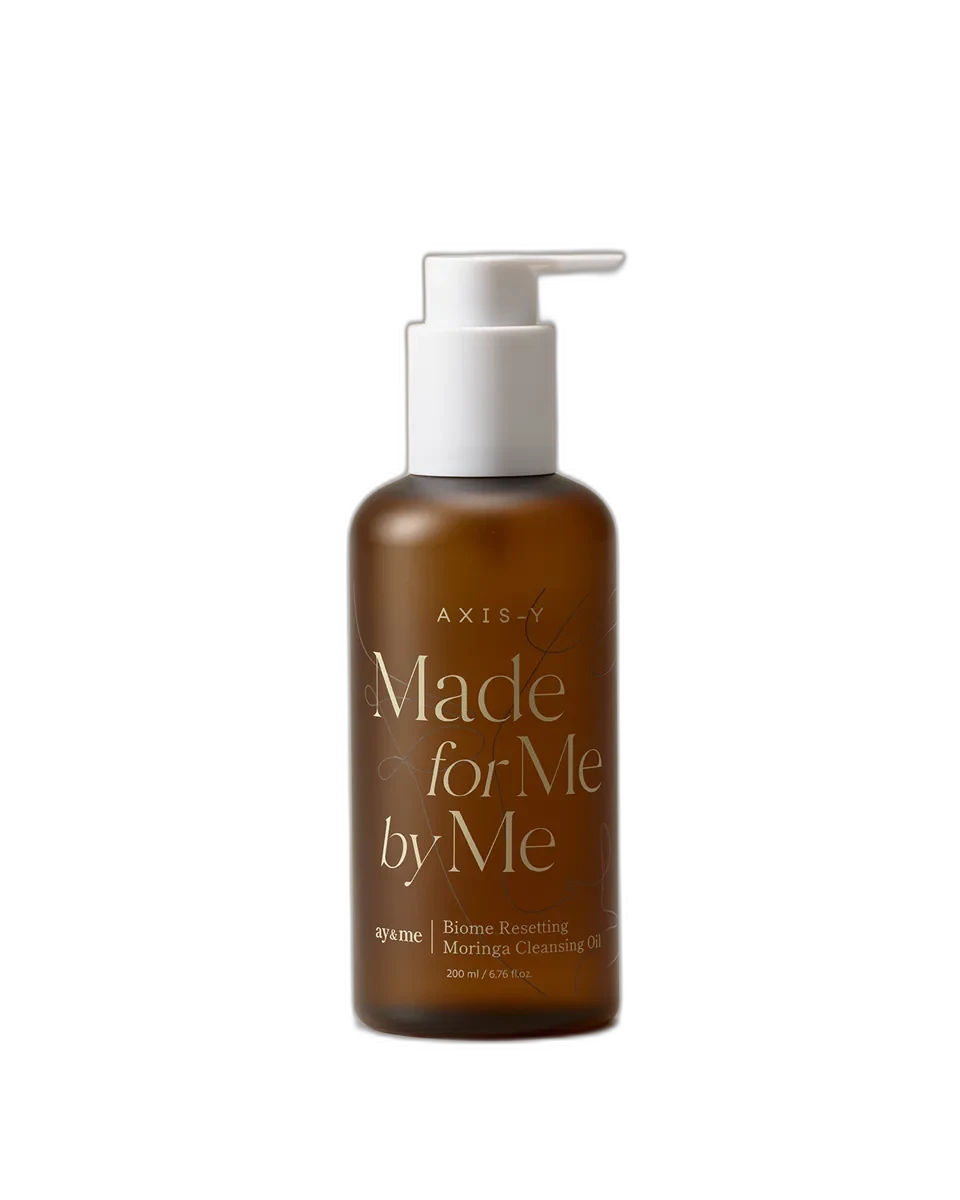
Biome Resetting Moringa Cleansing Oil
Honest K-Beauty Oil Cleanser
 Verified reviewer
Pros & cons.
- +Moringa seed oil is an interesting, oxidation-stable base
- +Diverse plant oil cast including pumpkin, camellia, and jojoba
- +Fragrance-free — rare in budget K-beauty cleansing oils
- +Emulsifies cleanly with no residue or greasy film
- +Excellent value at 180ml for $24
- +Gentle enough for sensitive and reactive skin types
- −Not fungal acne safe due to shea butter and olive oil content
- −Probiotic ferment 'biome resetting' claim overreaches for a rinse-off product
- −Requires a second cleanser for best results
- −Pump can dispense more than needed with a full press
The full review.
‘Biome resetting’ sounds impressive, but it is a questionable claim for a rinse-off product. Your skin microbiome—the bacteria, fungi, and microorganisms on the stratum corneum—regulates barrier function and inflammation. Verifying ‘reset’ or ‘support’ claims is hard for leave-on products; for a cleansing oil that stays on skin for under a minute before rinsing, the claim is even harder to justify. Let’s ignore the marketing and look at the product, which is better than its claims.
Moringa seed oil is the primary ingredient. Moringa oleifera is a fast-growing tree from Africa and South Asia, and its seed oil has long traditions in skincare. Its fatty acid profile makes it notable for modern cleansing oils; it is high in oleic acid and behenic acid, ensuring a stable oxidation profile. This matters for a product sitting in a clear pump bottle exposed to light and air for months. While oxidizing oils can become irritating, moringa is a resistant plant oil.
The formula also contains pumpkin seed oil (a source of zinc and vitamin E), camellia seed oil (a traditional Japanese and Korean base), sunflower oil, jojoba oil, and small amounts of shea butter and olive oil. The polyglyceryl-based emulsifier system is gentle. Bifida and other ferment extracts, centella, and madecassoside handle the ‘biome’ signaling. Axis-Y separates itself from budget K-beauty cleansing oils by being fragrance-free; most others in this price range use essential oils for scent.
As a first cleanse, it is competent and simple. Two to three pumps cover a full face. The oil spreads smoothly without the drag of thicker cleansing balms, breaks down sunscreen and makeup within sixty seconds of massage, and emulsifies into a light milky lather with water. It rinses clean with no film, residue, or pillowcase stains if you skip double cleansing. Skin feels comfortable and not stripped, meeting the standard for modern cleansing oils.
The bottle size provides the real value. At one hundred and eighty milliliters for twenty-four dollars, the cost per milliliter is roughly half that of most mid-range Korean cleansing oils and a fraction of luxury prices. One bottle lasts four to six months if used nightly as a first cleanse. This value makes the mild marketing overreach on the biome angle easy to forgive.
One limitation exists regarding fatty acids: the shea butter, olive oil, and other fatty esters make this unsafe for fungal acne or pityrosporum folliculitis. If malassezia causes your breakouts—such as small, uniform bumps on the forehead and temples that resist traditional acne treatments—you need a cleansing oil built around MCT or squalane instead. For everyone else—those with acne-prone bacterial breakouts, sensitive skin, dry skin, combination skin with visible pores, or anyone wanting a thoughtful, honestly priced cleansing oil—this works well.
Axis-Y uses a clear formulation rationale, transparent ingredients, and no fragrance. The only flaw is that the marketing leans harder on the biome angle than the formula supports. Everything else holds up.
Ingredient analysis.
Full INCI list
Moringa Oleifera Seed Oil, Caprylic/Capric Triglyceride, Ethylhexyl Palmitate, Polyglyceryl-10 Laurate, Cetyl Ethylhexanoate, Sorbitan Oleate, Polyglyceryl-3 Polyricinoleate, Polyglyceryl-4 Oleate, Tocopherol, Cucurbita Pepo (Pumpkin) Seed Oil, Helianthus Annuus (Sunflower) Seed Oil, Camellia Japonica Seed Oil, Olea Europaea (Olive) Fruit Oil, Simmondsia Chinensis (Jojoba) Seed Oil, Butyrospermum Parkii (Shea) Butter, Glycine Soja (Soybean) Oil, Bifida Ferment Lysate, Lactobacillus/Soybean Ferment Extract, Saccharomyces/Xylinum/Black Tea Ferment, Glycerin, Panthenol, Bisabolol, Allantoin, Centella Asiatica Extract, Madecassoside, Phenoxyethanol, Ethylhexylglycerin
Skin match.
The science.
The Science
Oil-based cleansers work through lipophilic chemistry to dissolve oils like sebum, silicone sunscreens, and waterproof makeup. Cosmetic science research shows oil cleansers remove photostable organic sunscreens better than surfactant-only cleansers and disturb the stratum corneum lipid layer less than soap-based alternatives.
Research on Moringa oleifera seed oil characterizes its fatty acid profile (specifically high oleic acid and behenic acid content), oxidative stability, and early cosmetic uses. A 2020 review in the Journal of the American Oil Chemists' Society documented its oxidation resistance against other plant oils, which matters for cleansing oil formulations in clear packaging. Skin-specific benefit research is still emerging.
Cosmetic research focuses on the antioxidant and barrier-supporting effects of probiotic ferment ingredients — bifida ferment lysate, lactobacillus/soybean ferment extract — in leave-on formats. Efficacy evidence for rinse-off cleansers is much more limited because contact time determines topical ingredient function. Clinical data does not support the claim that these ingredients 'reset' the skin microbiome in this specific product format. The scientific debate regarding topical probiotics and the skin microbiome remains an active, inconclusive area of dermatological research.
Madecassoside and centella extract have a more established evidence base for soothing and anti-inflammatory effects; their inclusion is a formulation positive regardless of biome marketing.
Dermatologist Perspective
Dermatologists generally support plant-oil-based cleansing oils as a gentle, effective first-cleanse, especially for patients using daily sunscreen or long-wear makeup. Board-certified dermatologists often prefer fragrance-free formulations for patients with sensitive skin, rosacea, or eczema, making this cleanser a reasonable choice for those groups. Clinicians view 'biome resetting' marketing with skepticism. Dermatologists following skin microbiome literature acknowledge it as an interesting research area but caution against expecting transformative results from topical probiotic ingredients in rinse-off products. The formulation — moringa-led, fragrance-free, with a gentle emulsifier system — is clinically sound. It is a common, affordable alternative to luxury cleansing oils for patients building a minimal, barrier-friendly routine.
Where it fits in your routine.
Dispense 2-3 pumps onto dry hands. Massage over dry skin, targeting sunscreen and makeup. Massage for 45-60 seconds so the oils break down lipophilic grime. Wet your fingertips and massage to emulsify the oil into a light milky lather, then rinse with lukewarm water. Use a gentle water-based cleanser as the second step of a double cleanse. Use once nightly; you do not need morning use unless you slept in heavy products.
At twenty-four dollars for 180ml, this is one of the better value propositions in the Korean cleansing oil category. Per milliliter, it's roughly half the cost of mid-range competitors like Heimish or Shu Uemura, and a fraction of luxury alternatives like DHC Deep Cleansing Oil (at the premium end) or Augustinus Bader The Cleansing Balm. The formulation quality is comparable to cleansers costing twice as much, and the large bottle means a single purchase lasts four to six months of nightly use. Coming from an emerging transparent indie brand, the price feels honest rather than premium, and it's one of the few cases where the value, the formulation, and the marketing positioning all align.
Daily sunscreen or makeup users needing an effective, gentle first cleanse. Sensitive skin types wanting a fragrance-free oil cleanser at a reasonable price. Axis-Y fans building a complete brand routine. Combination and normal skin types preferring a lightweight plant-oil cleanser over a heavier balm.
The fatty acid content causes breakouts for people with fungal acne or pityrosporum folliculitis driven by malassezia. Buyers like the jar format and texture of cleansing balms for the ritual. This is designed for double-cleansing routines for anyone wanting a single-step cleanser.
Product details.
Fragrance-free with a faint natural seed-oil smell
Clear pump bottle with measured dispensing — practical and large Finish non-greasyfast-absorbing
Pumps dispense easily; two to three pumps covers a full face. The oil spreads smoothly without dragging, breaks down sunscreen and makeup within a minute of massage, and rinses clean with water. It causes no tingling and leaves no residue on the pillowcase if you forget to double cleanse.
4-6 months with nightly use as a first cleanse
12 months
All Year
The backstory.
Axis-Y launched the Biome Resetting Moringa Cleansing Oil in 2021 as part of their expanded routine lineup, following the success of the Artichoke Ampoule, Dark Spot Correcting Glow Serum, and Daily Purifying Treatment Toner. The 'biome resetting' positioning tapped into growing consumer interest in skin microbiome science, which had become a popular conversation in Korean beauty in the early 2020s.
About Axis-Y
Emerging Brand (2–5 years)Axis-Y launched in 2018 as a transparent indie K-beauty brand founded by skincare enthusiasts. The Biome Resetting Moringa Cleansing Oil follows the brand's practice of publishing ingredient rationale openly. Like the rest of the line, it has community trust instead of decades of independent clinical validation.
Common myths.
The probiotic ferments in this cleanser reset my skin microbiome.
Ferments in a rinse-off product have short contact time. Evidence that any topical probiotic ingredient alters the skin microbiome is early and inconclusive. The real value of this cleanser is its gentle, effective oil base — the biome angle is marketing framing, not mechanism.
FAQ.
Is this cleansing oil fungal acne safe?
No — the formula contains shea butter, olive oil, and other ingredients that feed malassezia yeast. If you have fungal acne (pityrosporum folliculitis), use a cleansing oil based on MCT or squalane instead.
Does it really remove sunscreen?
Yes, it works. The moringa and camellia oil base dissolves photostable, silicone-based sunscreens that water-based cleansers miss. Massage for 45-60 seconds before emulsifying for best results on SPF-heavy routines.
Can I skip the second cleanse?
Ideally no—this is the first step in a double-cleansing routine. A gentle water-based cleanser follows to remove residual oil and helps subsequent products absorb. Skipping this step leaves a slight film on the skin or pillowcase.
Will probiotic ferments really reset my skin microbiome?
Evidence for topical probiotic effects on the skin microbiome is early, especially for rinse-off products with limited contact time. The formula is gentle, fragrance-free, and lacks harsh surfactants that disrupt the microbiome. The probiotic ingredients add value but do not transform the skin.
How does it compare to the Banila Co Clean It Zero balm?
Both are popular Korean first-cleanse options in different formats. Axis-Y is a pourable oil, which some prefer for easy application. Banila Co is a traditional cleansing balm with a thicker, more occlusive feel. Axis-Y is fragrance-free, which benefits sensitive skin. Both remove makeup and SPF with comparable performance.
Is it pregnancy-safe?
Yes — it lacks retinoids, salicylic acid, or other pregnancy-caution actives. Plant oils, ferments, and gentle botanical extracts form the formula.
Community
What the community says.
"Removes makeup and SPF effectively in one pass"
"Emulsifies cleanly with no heavy residue"
"Fragrance-free and gentle on sensitive skin"
"Large 180ml bottle offers excellent value"
"Not fungal acne safe due to shea and olive oil content"
"Pump can dispense more than needed"
"Subtle results compared to the hype around probiotic-ferment claims"
Featured in.
People also looked at.